
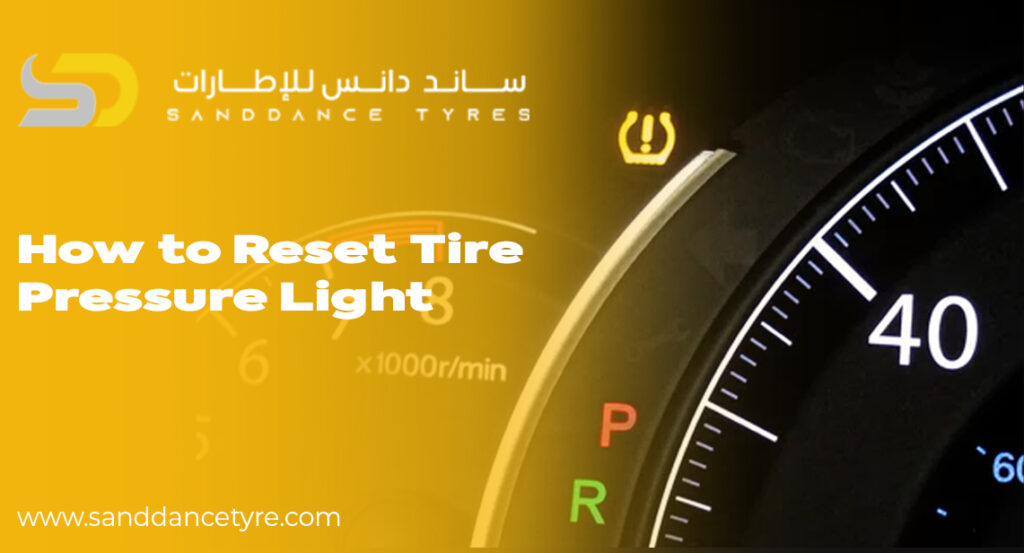
Maintaining proper tire pressure is essential for safe and smooth driving, especially on Dubai’s hot highways, where temperatures can affect tire performance. Understanding how to reset tire pressure light helps drivers avoid unnecessary warnings, maintain fuel efficiency, and ensure their vehicle operates safely. Whether your TPMS light came on after inflating your tires or due to seasonal temperature changes, the right reset process ensures accurate readings and peace of mind on the road.
Why the Tire Pressure Light Turns On
Modern vehicles come equipped with a Tire Pressure Monitoring System (TPMS) that alerts you when your tire pressure drops below the recommended level. This often happens due to:
- Dubai’s extreme heat is causing pressure fluctuations
- Slow leaks or punctures
- Recent tire replacement or rotation
- Faulty TPMS sensors
- Seasonal temperature changes
Even after correcting the tire pressure, the TPMS light may stay on—this is when you must reset tire pressure light settings manually.
How to Check Tire Pressure Before Resetting
Before learning the actual process, start with checking the tire pressure:
- Use a reliable digital gauge.
- Check all four tires and the spare.
- Follow the PSI recommendations on your vehicle’s door jamb sticker.
In Dubai, many cars require between 32–36 PSI, but always follow your specific vehicle guidelines.
Once your tires are properly inflated, you can move on to the reset steps.
Step-by-Step Guide to Reset Tire Pressure Light
Below are the most common and effective methods used to reset tire pressure light for most vehicles driven in Dubai.
1. Drive the Car for 10–15 Minutes
This is the simplest solution.
After adjusting your tire pressure:
- Start the car
- Drive at 25–30 km/h for about 10–15 minutes
This helps the sensors recalibrate automatically.
If the light stays on, move to the next method.
2. Use the TPMS Reset Button
Most vehicles, especially Toyota, Honda, Nissan, and Mitsubishi models in the UAE, include a TPMS reset button.
Where to find it:
- Under the steering wheel
- Inside the glove compartment
- Near the dashboard beneath the driver side
How to use it:
- Turn the ignition to ON
- Press and hold the reset button until the TPMS light blinks
- Release the button
- Start the engine and wait a few minutes
This usually resets the sensor system.
3. Inflate and Deflate the Tires
This method works for cars whose TPMS needs a hard reset.
Steps:
- Inflate all tires to about 3 PSI above recommended pressure
- Deflate them completely
- Reinflate to the correct PSI
The sudden change forces the TPMS to update readings.
Use this only if other methods fail.
4. Reset Tire Pressure Light Through the Dashboard Menu
Many modern luxury cars in Dubai—BMW, Mercedes, Range Rover, Audi—allow resetting through infotainment systems.
General reset process:
- Turn on the ignition
- Go to Settings
- Find TPMS, Tire Pressure, or Driver Assistance
- Select Reset, Store, or Calibrate
- Confirm
The system will relearn tyre pressure while you drive.
5. Check for Faulty TPMS Sensors
If the warning light stays on after several resets, you may have:
- A dead TPMS battery
- A damaged sensor after tyre replacement
- Faulty wiring
In this case, visit a trusted tire shop or service center in Dubai for diagnosis.
Common Reasons Why Reset Tire Pressure Light Does Not Turn Off
Below are issues that prevent the TPMS light from turning off even after inflation.
Incorrect Tire Pressure Reading
If one tire is even 2–3 PSI lower, the system will continue showing a warning.
Double-check all tires, including the spare.
Dubai Weather Impact
Hot weather expands air inside the tires, while cooler nights cause pressure drops.
This fluctuation often triggers TPMS warnings, requiring you to reset tire pressure light more frequently than in other climates.
After Tire Rotation or Replacement
When tyres are rotated or newly installed, the sensors sometimes lose signal.
A manual reset ensures proper recalibration.
Sensor Damage During Off-Roading
Many Dubai drivers take their SUVs off-road in desert areas. Sand and impact can damage sensors, making the light stay on.
You May Also Read
- Car Tyre Inflator Air Compressor Pump: The Ultimate Solution for Dubai Drivers
- How to Start an Online Tyre Trading Business in Dubai
Tips for Avoiding Future Tire Pressure Warning Issues
Check Tire Pressure Monthly
Dubai roads, heat, and long-distance commutes make regular checks essential.
Use Quality Air Gauges
Petrol station gauges aren’t always accurate.
Invest in a good digital gauge.
Rotate Tires Every 10,000 km
This ensures uniform wear and avoids unnecessary TPMS alerts.
Replace TPMS Sensors Every 5–7 Years
Sensor batteries die eventually. Preventive replacement saves time and avoids persistent warnings.
When to Visit a Professional Tire Shop in Dubai
If you’ve tried all reset methods and the warning stays on, it’s time for expert help.
Visit a tire shop if:
- You hear air leakage
- The sensor light is blinking (not steady)
- There is uneven tire wear
- You recently hit a pothole or curb
- Your vehicle dashboard shows multiple warnings
Dubai has many reputable tyre shops offering TPMS diagnostics and replacements quickly and affordably.
FAQs About Resetting TPMS Light (Dubai Specific)
1. How long does it take to reset the tire pressure light?
It usually takes 2–10 minutes once the reset method is applied or after driving.
2. Can I drive in Dubai with the tire pressure warning light on?
It’s not recommended. Low pressure increases the risk of tire bursts, especially on hot UAE roads.
3. Why does my tire pressure light come on every morning?
Cooler morning temperatures cause temporary pressure drops. It usually normalizes after driving.
4. Do I need a mechanic to reset the tire pressure light?
No. Most resets can be done at home. Only visit a mechanic if the light stays on or sensors are faulty.
5. Will resetting TPMS delete stored vehicle data?
No. Resetting only recalibrates the tire pressure system.
6. How much does TPMS sensor replacement cost in Dubai?
Prices range from AED 100–300 per sensor, depending on vehicle type and brand.