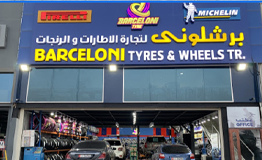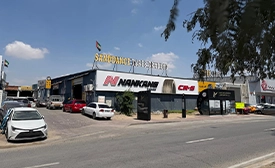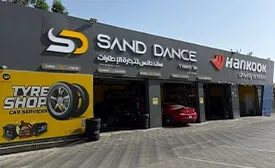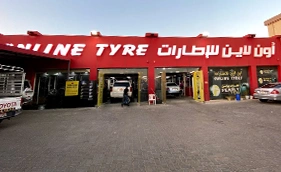

Choosing the right tyres can make a noticeable difference to your car’s braking, handling, comfort, fuel efficiency, and overall driving safety. But with so many brands and price points available, finding the best tyres in Dubai is not simply about choosing the most expensive option. The right choice depends on how much you drive, your vehicle type, road conditions, and how much you want to spend.
Dubai’s hot climate, heavy traffic, long highway journeys, and high road speeds put additional demands on tyres. That is why drivers should consider heat resistance, wet and dry grip, tread life, comfort, and the tyre’s specifications before buying. Current UAE tyre comparisons generally place premium tyres at the top for performance and longevity, while mid-range tyres offer a strong balance between price and performance.
Whether you drive a compact sedan through the city, commute daily on Sheikh Zayed Road, or own a large SUV, there are tyres in Dubai to match almost every budget. Here is how the three main price categories compare.
Premium Tyres in Dubai: Maximum Performance and Long-Term Value
Premium tyres are designed for drivers who prioritise safety, handling, comfort, and durability over the lowest upfront price. Brands such as Michelin, Bridgestone, Continental, Pirelli, and Goodyear are commonly positioned in the premium segment.
These tyres generally use advanced tread designs and rubber compounds to provide strong dry and wet grip, stable handling, reduced road noise, and better wear performance. For drivers who regularly cover long distances or spend considerable time on Dubai’s highways, paying more upfront can make sense.
Michelin is particularly well known for combining comfort, wet grip, and long tread life. Bridgestone is another popular premium choice, especially for drivers looking for highway stability and durability. Continental is often preferred for balanced handling and wet-weather performance, while Pirelli is a strong option for performance-focused and premium vehicles.
Prices vary significantly according to tyre size and vehicle, but current UAE market comparisons put premium tyres roughly from AED 550–1,500 or more per tyre for many common sizes, with larger SUV and performance fitments potentially costing considerably more.
Premium tyres make the most sense if you drive frequently, regularly travel between Dubai and other emirates, own a powerful or luxury vehicle, or simply want stronger performance and a more refined driving experience.
Mid-Range Tyres: The Best Balance for Most Dubai Drivers
For many motorists, mid-range tyres offer the sweet spot between affordability and performance. You do not necessarily need to spend premium-brand money to get dependable tyres for everyday Dubai driving.
Brands such as Hankook, Yokohama, Falken, Kumho, Nexen, and selected Goodyear and Dunlop ranges sit around the mid-range or value-premium segment depending on the specific model. These manufacturers offer tyres designed for daily commuting, highway driving, family cars, crossovers, and SUVs.
A good mid-range tyre can provide strong dry grip, acceptable wet performance, good comfort, and respectable tread life without the premium price tag. For someone driving to work every day, making regular motorway trips, and occasionally travelling between Dubai and Abu Dhabi, this category can provide excellent overall value.
Current UAE pricing guides place many mid-range tyres around AED 300–500 per tyre, although the actual price depends heavily on tyre size, model, speed rating, and vehicle.
Hankook is worth considering for drivers looking for a balance between price, comfort, and mileage. Yokohama is another popular choice for sedans and SUVs, while Falken can be attractive for drivers who want responsive handling at a competitive price.
Affordable Tyres in Dubai: When Budget Makes Sense
Budget tyres can be a practical option when the priority is keeping replacement costs low. They can suit drivers who cover relatively few kilometres, mainly drive around the city, or own an older vehicle where premium tyres may not provide enough additional value.
However, the cheapest tyre is not automatically the best deal. A low purchase price can become less attractive if the tyre wears quickly, becomes noisy, or delivers weaker wet-road performance.
Current Dubai and UAE market estimates show some budget tyres starting at around AED 180–300 per tyre for common smaller-car sizes, while other value options can cost considerably more depending on the manufacturer and size.
If you choose an affordable tyre, pay particular attention to its manufacturing date, specifications, load rating, speed rating, and local suitability. Buying from an unknown source simply because the price is lower can create unnecessary risks.
For a small car that is driven mostly around town, a reputable affordable tyre may be perfectly reasonable. But if you regularly drive at highway speeds, carry heavy loads, or travel long distances, spending more on a better-performing tyre may be the smarter decision.
Premium vs Mid-Range vs Budget Options: Which Should You Buy?
The best category depends on how and where you drive rather than simply how much money you have available.
Premium tyres are ideal for high-mileage drivers, luxury and performance vehicles, frequent highway users, and motorists who want maximum comfort and performance. Mid-range tyres are arguably the most practical choice for everyday drivers because they offer a strong compromise between purchase price, durability, handling, and comfort. Affordable tyres work best for low-mileage city driving where keeping the initial replacement cost down is the main concern.
A recent UAE comparison estimates budget tyres at roughly AED 180–300, mid-range tyres at AED 300–500, and premium tyres at AED 550–1,500+ per tyre depending on size and model. These figures are only market ranges, so you should always check the exact tyre size and current fitted price before purchasing.
Why Dubai’s Climate Matters When Choosing Tyres
Price should never be the only factor when shopping for tyres in Dubai. The UAE climate creates conditions that can accelerate tyre ageing and wear.
During summer, high temperatures can put additional stress on rubber compounds. Long periods of driving on hot roads can also expose tyres to substantial heat cycles. Add Dubai’s busy roads, frequent braking and acceleration, and high-speed highway driving, and tyre quality becomes even more important.
Rain is less frequent than in many countries, but when it does occur, roads can become slippery quickly. Good wet braking and water evacuation therefore remain important when selecting tyres.
Dubai drivers should also consider whether they regularly travel on sandy or unpaved surfaces. A tyre designed for normal road use may not be the right choice for an SUV that frequently leaves paved roads.
How to Choose the Right Tyre Size for Your Car
Before comparing brands, check the tyre size recommended for your vehicle. The information can usually be found on the existing tyre sidewall, the vehicle door-jamb sticker, or in the owner’s manual.
A tyre specification such as 225/55 R17 97W contains several important details. The first number represents tyre width, the second represents the aspect ratio, R indicates radial construction, and the final numbers and letter identify the load index and speed rating.
Do not automatically choose a different size because it is cheaper or easier to find. Your replacement tyres should match the vehicle manufacturer’s recommended specifications unless a qualified tyre professional confirms that an alternative setup is appropriate.
Check the Tyre Manufacturing Date Before Buying
One detail that is often overlooked when buying tyres in Dubai is the manufacturing date.
Tyres do not become “new” simply because they have never been fitted to a vehicle. Rubber ages over time, so checking the date code on the sidewall is an important part of the buying process.
Dubai’s RTA has stated that vehicles may fail technical testing if tyres are expired, with the RTA specifically referring to tyres exceeding five years from their manufacturing date, as well as tyres that are seriously worn or damaged.
That makes tyre age particularly important when comparing heavily discounted stock. A cheaper tyre that has been sitting in storage for a long period may not offer the same value as a fresher tyre at a slightly higher price.
Don’t Compare Tyre Prices Without Comparing What Is Included
When searching for affordable tyres in Dubai, look beyond the price printed next to the tyre.
Ask whether the quoted amount includes fitting, balancing, valve replacement, alignment, disposal of the old tyres, and any applicable warranty. Two workshops can advertise the same tyre at different prices while offering completely different packages.
You should also compare the exact model rather than simply comparing brands. A premium brand may have several product ranges designed for different driving conditions. Likewise, two tyres from the same manufacturer can have different tread patterns, performance characteristics, and prices.
A proper comparison should therefore consider the tyre brand, exact model, size, manufacturing date, warranty, fitting cost, and after-sales support.
Best Tyres in Dubai by Driving Style
If you spend most of your time commuting through Dubai, a comfortable mid-range touring tyre can provide an excellent combination of ride quality, durability, and cost.
For frequent highway drivers, premium tyres are worth considering because stability, braking, noise, and long-term performance become more important when covering many kilometres.
SUV owners should pay closer attention to load capacity and the type of driving they do. A road-focused SUV may need a highway-terrain tyre, while an SUV regularly used for off-road trips may require a more suitable all-terrain design.
Performance-car owners should follow the vehicle manufacturer’s recommended specifications carefully. High-performance vehicles can require specific speed ratings, load ratings, and tyre constructions that should not be replaced simply with the cheapest compatible size.
How to Get Better Value From Your Tyres
Buying a good tyre is only part of the equation. Proper maintenance can help you get more consistent performance and longer service life from your investment.
Check tyre pressure regularly and use the pressure recommended by your vehicle manufacturer. Incorrect pressure can affect handling, tread wear, fuel consumption, and comfort.
Wheel alignment should also be checked if your car pulls to one side, the steering wheel is off-centre, or the tread is wearing unevenly. Wheel balancing is important when you notice vibration, particularly at higher speeds.
Inspect the tyres periodically for cracks, cuts, bulges, uneven wear, or embedded objects. If you notice a significant change in handling or vibration, have the tyres inspected rather than continuing to drive on them.
So, Which Tyres in Dubai Are Best for Your Budget?
There is no single tyre that is perfect for every Dubai driver.
If your priority is maximum performance and long-term durability, premium brands such as Michelin, Bridgestone, Continental, and Pirelli are strong options. If you want better value without giving up too much performance, brands such as Hankook, Yokohama, Falken, Kumho, and Nexen are worth comparing. If your priority is low upfront cost, reputable affordable tyres can work for low-mileage city driving when their specifications, age, and quality are properly checked.
The smartest approach is to match the tyre to your vehicle and driving habits rather than automatically choosing the cheapest or most expensive option. For most everyday motorists, a quality mid-range tyre can provide the balance they need, while premium tyres make more sense for high-mileage and performance-focused drivers.
When comparing tyres in Dubai, always check the exact size, load and speed rating, manufacturing date, warranty, fitting cost, and suitability for UAE driving conditions. That way, you are not simply buying a tyre at a good price—you are choosing one that delivers genuine value throughout its service life.
FAQs About Tyres in Dubai
What are the best tyres in Dubai for daily driving?
Mid-range tyres from established manufacturers such as Hankook, Yokohama, Falken, Kumho, and Nexen can offer a strong combination of comfort, durability, grip, and price for everyday Dubai driving.
Are premium tyres worth the extra money in Dubai?
They can be, especially for drivers who cover high annual mileage, regularly use highways, own performance vehicles, or prioritise braking, comfort, and long-term durability. Premium tyres generally cost more upfront but can provide stronger overall performance.
How much do tyres cost in Dubai?
Prices vary considerably according to brand, tyre size, model, and vehicle. Current UAE market guides show budget options from roughly AED 90–140 for some common sizes, while mid-range and premium tyres can cost several hundred dirhams per tyre.
Should I buy the cheapest tyres available?
Not necessarily. A low price does not tell you about tyre age, wet grip, heat resistance, tread life, or manufacturing quality. Compare the complete specification and condition before making a decision.
What should I check before buying tyres in Dubai?
Check the correct tyre size, load index, speed rating, manufacturing date, tread design, warranty, and whether fitting and balancing are included in the quoted price.
How long can tyres be used in Dubai?
Tyre life depends on the brand, compound, driving conditions, mileage, maintenance, and age. In addition to checking tread and visible damage, drivers should pay attention to the manufacturing date. Dubai RTA guidance states that vehicles may fail technical testing when tyres exceed five years from their manufacturing date.