
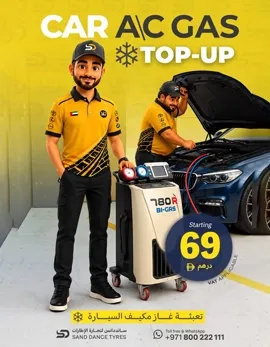
Driving in hot weather can quickly become uncomfortable if your vehicle’s air conditioning system is not functioning properly. A well-maintained air conditioning system keeps the cabin cool, improves driving comfort, and helps drivers stay focused on the road. One of the most common maintenance services for vehicle cooling systems is a Car A/C Gas Top-UP.
Over time, refrigerant gas levels can decrease due to natural leakage, wear and tear, or system issues. When refrigerant levels drop, the air conditioning system struggles to produce cold air, leading to reduced performance and increased strain on components.
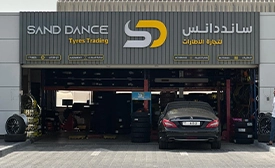
At Sand Dance Tyre, professional technicians provide reliable automotive maintenance services, including air conditioning inspections and refrigerant recharge solutions. This guide explains everything vehicle owners need to know about Car A/C Gas Top-UP, its benefits, warning signs, and why regular maintenance is important.
What Is a Car A/C Gas Top-UP?
A Car A/C Gas Top-UP is the process of adding refrigerant gas to your vehicle’s air conditioning system to restore proper cooling performance.
The refrigerant is responsible for absorbing heat from the cabin and releasing it outside the vehicle.
Without sufficient refrigerant, the system cannot effectively cool the air.
A professional top-up service typically includes:
- Refrigerant level inspection
- Leak detection
- System pressure testing
- Refrigerant refill
- Performance evaluation
This service helps ensure your air conditioning system operates efficiently.
How Does a Car Air Conditioning System Work?
To understand the importance of a Car A/C Gas Top-UP, it helps to know how the system functions.
The main components include:
Compressor
The compressor circulates refrigerant throughout the system.
Condenser
The condenser removes heat from the refrigerant.
Expansion Valve
This component regulates refrigerant flow.
Evaporator
The evaporator absorbs heat from the vehicle cabin.
Refrigerant Gas
The refrigerant is the substance that enables cooling.
When refrigerant levels are low, the entire cooling process becomes less effective.
Why Refrigerant Levels Decrease
Many drivers assume refrigerant should never need replacement.
However, small losses can occur over time.
Common causes include:
Natural Leakage
Minor refrigerant loss may occur gradually over several years.
Damaged Seals
Worn seals can allow refrigerant to escape.
Hose Leaks
Cracked hoses may cause gas leakage.
Component Wear
Aging components can develop leaks.
Accident Damage
Collisions can affect air conditioning components.
Regular inspections help identify issues before they become serious.
Signs You Need a Car A/C Gas Top-UP
Several warning signs indicate your system may require a Car A/C Gas Top-UP.
Weak Cooling Performance
One of the most obvious signs is reduced cooling.
If your air conditioning no longer produces cold air, refrigerant levels may be low.
Warm Air from Vents
Warm or mildly cool air often indicates insufficient refrigerant.
Longer Cooling Times
If it takes longer than usual for the cabin to cool, a refrigerant top-up may be necessary.
Unusual Noises
Low refrigerant levels can place extra strain on system components, causing unusual sounds.
Air Conditioning Cycling Frequently
Short cycling may indicate pressure problems caused by low refrigerant levels.
Increased Fuel Consumption
A struggling air conditioning system may cause the compressor to work harder, potentially affecting fuel efficiency.
Benefits of a Car A/C Gas Top-UP
A professional Car A/C Gas Top-UP offers numerous benefits.
Improved Cooling Performance
The primary advantage is restoring cold air output.
Passengers enjoy greater comfort, especially during hot weather.
Enhanced Driving Comfort
Comfortable cabin temperatures improve the overall driving experience.
Better Air Conditioning Efficiency
Proper refrigerant levels help the system operate efficiently.
Reduced Component Wear
A well-functioning system places less stress on critical components.
Lower Repair Costs
Addressing refrigerant issues early can prevent costly repairs.
Increased Vehicle Value
A fully functioning air conditioning system improves resale appeal.
How Often Should You Get a Car A/C Gas Top-UP?
The frequency depends on:
- Vehicle age
- Driving conditions
- System condition
- Manufacturer recommendations
Many vehicles may not require a top-up every year.
However, regular inspections are recommended.
Most experts suggest checking the air conditioning system every 12 to 24 months.
Importance of Professional A/C Inspection
A Car A/C Gas Top-UP should always be performed by trained technicians.
Professional inspections include:
Leak Detection
Adding refrigerant without repairing leaks only provides temporary results.
Pressure Testing
Technicians verify proper system pressure.
Component Evaluation
Critical parts are inspected for wear or damage.
Performance Testing
Cooling efficiency is measured after service.
Professional maintenance ensures long-term reliability.
Common Causes of Poor Air Conditioning Performance
Low refrigerant is not always the only problem.
Other issues may include:
Faulty Compressor
The compressor may fail to circulate refrigerant properly.
Clogged Condenser
Restricted airflow reduces cooling performance.
Electrical Problems
Sensors and switches may malfunction.
Blocked Cabin Filters
Dirty filters can reduce airflow.
Damaged Cooling Fans
Poor airflow affects condenser efficiency.
A complete inspection identifies the true cause of cooling issues.
Why Air Conditioning Matters in Hot Climates
In regions with high temperatures, a functioning air conditioning system is essential.
Benefits include:
- Improved comfort
- Reduced driver fatigue
- Better concentration
- Enhanced passenger experience
- Increased vehicle enjoyment
This is why regular Car A/C Gas Top-UP services are important for vehicle owners.
The Difference Between Refrigerant Recharge and A/C Repair
Some drivers confuse these services.
Refrigerant Recharge
Adds refrigerant to restore cooling performance.
A/C Repair
Involves fixing damaged components or leaks.
A professional technician determines whether a simple top-up or a repair is necessary.
Types of Refrigerants Used in Modern Vehicles
Different vehicles use different refrigerants.
Common options include:
R134a
Widely used in many vehicles.
R1234yf
Used in newer models and considered more environmentally friendly.
Using the correct refrigerant is critical for system performance and safety.
Environmental Considerations
Modern refrigerants are designed to reduce environmental impact.
Proper handling and disposal are essential.
Professional service centers follow industry standards to ensure safe refrigerant management.
Maintaining Your Air Conditioning System
Preventive maintenance extends system life.
Recommended practices include:
Run the A/C Regularly
Even during cooler months, occasional use keeps components lubricated.
Replace Cabin Filters
Clean filters improve airflow.
Schedule Inspections
Routine checks identify potential problems early.
Address Cooling Issues Quickly
Delaying repairs can increase costs.
Keep Condenser Areas Clean
Removing debris improves airflow and efficiency.
Cost Factors for Car A/C Gas Top-UP
The cost of a Car A/C Gas Top-UP depends on:
- Refrigerant type
- Vehicle model
- System condition
- Amount of refrigerant required
- Additional repairs
Professional inspections help determine accurate service requirements.
Benefits of Choosing Professional Service
Professional technicians provide:
Accurate Diagnosis
The root cause of cooling issues is identified correctly.
Proper Equipment
Specialized tools ensure precise refrigerant handling.
Safe Procedures
Technicians follow industry standards.
Long-Term Reliability
Correct servicing reduces future problems.
DIY refrigerant handling is generally not recommended.
Common Myths About Car A/C Gas Top-UP
Myth 1: Refrigerant Never Needs Replacement
Small losses can occur over time, making inspections important.
Myth 2: Warm Air Always Means Low Refrigerant
Several system issues can produce similar symptoms.
Myth 3: More Refrigerant Means Better Cooling
Overcharging the system can actually reduce performance.
Myth 4: Air Conditioning Doesn’t Need Maintenance
Like any vehicle system, regular servicing improves reliability.
Why Choose Sand Dance Tyre
When looking for professional Car A/C Gas Top-UP services, Sand Dance Tyre provides reliable automotive maintenance solutions.
Services Include:
- Air conditioning inspections
- Refrigerant top-ups
- Leak detection
- Vehicle maintenance
- Tyre services
- Wheel alignment
- Battery replacement
- General automotive care
Visit Sand Dance Tyre to learn more about their vehicle service solutions.
Their experienced team helps keep vehicles comfortable, safe, and road-ready throughout the year.
Future of Automotive Air Conditioning Systems
The automotive industry continues evolving.
Future developments include:
- More environmentally friendly refrigerants
- Improved energy efficiency
- Electric vehicle cooling systems
- Smart climate control technology
- Enhanced diagnostic capabilities
These innovations will further improve comfort and sustainability.
Conclusion
A properly functioning air conditioning system is essential for driving comfort, especially in hot climates. A Car A/C Gas Top-UP helps restore cooling performance, improve efficiency, and reduce strain on system components. By recognizing early warning signs and scheduling professional inspections, vehicle owners can avoid costly repairs and maintain optimal cabin comfort.
Regular maintenance, leak detection, and refrigerant checks ensure your air conditioning system remains reliable throughout the year. For professional automotive services and expert vehicle care, Sand Dance Tyre offers dependable solutions designed to keep your vehicle performing at its best.
FAQs
1. What is a Car A/C Gas Top-UP?
A Car A/C Gas Top-UP is the process of adding refrigerant gas to a vehicle’s air conditioning system to restore cooling performance.
2. How do I know if my car needs an A/C gas top-up?
Common signs include weak cooling, warm air from vents, longer cooling times, and unusual air conditioning behavior.
3. How often should I get a Car A/C Gas Top-UP?
Most vehicles should have their air conditioning system inspected every 12 to 24 months, depending on usage and condition.
4. Can low refrigerant damage my air conditioning system?
Yes. Low refrigerant levels can place additional strain on components such as the compressor, potentially leading to expensive repairs.
5. Is a Car A/C Gas Top-UP the same as an air conditioning repair?
No. A top-up restores refrigerant levels, while repairs involve fixing leaks, damaged components, or other system faults.