
Habilead Tyres Price: Why Balancing Is Important After Buying New Tyres
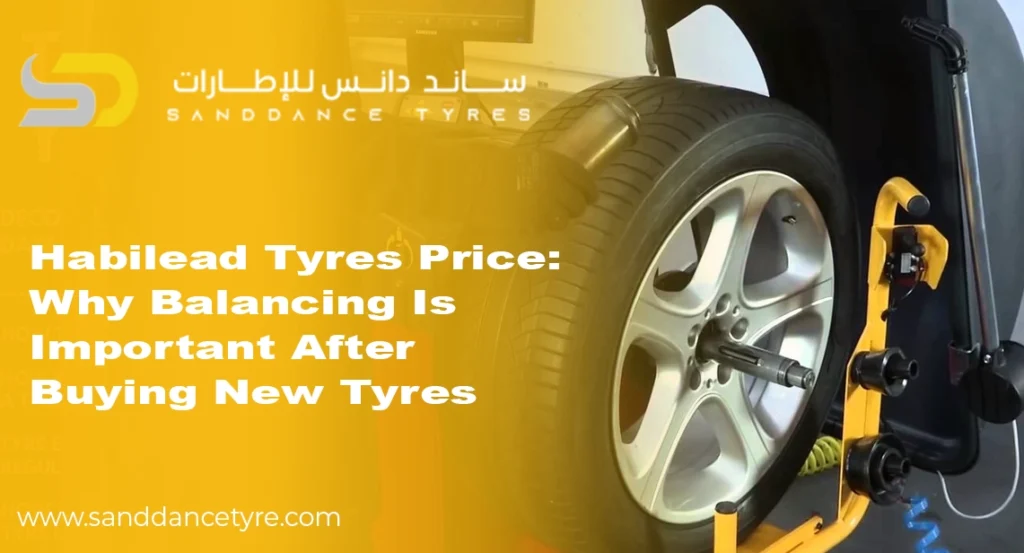
Buying new tyres is of course an essential element of vehicle maintenance, but their fitting is also something that needs to be considered. Whether you’re buying Habilead tyres for your daily commute or for your regular highway miles, proper wheel balancing is key to ensuring a comfortable ride. A new tyre will have slight differences in weight between the tyre and the wheel it’s mounted on. If these differences aren’t balanced out then you’ll quite likely experience steering vibrations, uneven tread wear, or a shaking sensation at certain speeds. People looking for the habilead tyres price should also consider the services required after you’ve purchased a new set of tyres. Choosing the right tyre is only one element of the process. Correct fitting, wheel balancing, and scheduled inspections are all part of tyre maintenance. Wheel balancing evenly distributes weight around the wheel assembly, reducing vibration and ensuring the tyre maintains consistent contact with the road. Knowing why this service is important can go a long way to helping UAE drivers look after their new tyres and spot any problems early on. Why Is Tyre Balancing Important After Installing New Tyres? Tyre balancing matters because even new tyres and wheels can be slightly unbalanced. It may not seem like a big deal, but it does have an effect on wheel rotation as the speed of the vehicle increases. During tyre balancing after replacement, a technician uses specialised equipment to check the tyre and wheel assembly. The machine identifies heavier and lighter areas so the technician can correct the imbalance using small balancing weights. Without proper balancing, the driver may experience vibrations through the steering wheel, seats, and/or floor of the vehicle. That can make a long journey very unpleasant and can also lead to variable tread wear. Balancing also helps maintain consistent wheel rotation, which is important for UAE drivers who spend long periods on the highway at high speed. It doesn’t, however, replace wheel alignment. Alignment is about the direction and angles of the wheels; balancing is about the wheel’s weight distribution. Checking when necessary will, of course, help maintain the tyres’ overall condition. What Happens During Wheel Balancing? Wheel balancing is a fairly straightforward process. A competent fitter will check each wheel assembly for imbalance and make the required corrections. Tyre and Wheel Inspection The technician first inspects the tyre and rim for visible damage, uneven wear, and other issues. The tyre must be fitted correctly before balancing. A damaged rim or a tyre that isn’t seated correctly can have an effect on the end result. Checking Weight Distribution The wheel is fitted onto a balancing machine, which measures its weight distribution as it rotates. The machine will tell you where the imbalance is and how much it is, which in turn will tell you where to make your adjustments. Adding Balancing Weights The technician attaches small weights to specific positions on the wheel to correct the imbalance. The technician then checks the wheel again to confirm that the weight distribution has improved. Why Should You Balance New Habilead Tyres? Balance new Habilead tyres after installation, just like tyres from other manufacturers. A new tyre isn’t automatically balanced just because it’s never been used. Small differences in the total weight of the tyre, rim and fitted assembly can still affect rotation. Habilead offers tyre options for passenger cars and other vehicles. Models such as ComfortMax H206, ComfortMax H202 and SportMax S2000 serve different driving needs. Regardless of the selected model, correct fitting and balancing remain important. Drivers comparing habilead tyres price should also consider the condition of their existing rims and the installation process. A suitable tyre fitted incorrectly may not deliver the driving comfort expected from a new set. Before selecting a model, check the manufacturer’s recommended tyre size, load capacity and speed rating against your vehicle specifications. You can also view the available habilead tyres price at Sand Dance Tyre to review the options. Proper balancing after installation helps reduce unwanted vibration and supports even tyre wear. It is a practical step that should not be neglected when replacing tyres. Benefits of Wheel Balancing Correct wheel balancing supports several aspects of the operation of the vehicle. It does not correct every tyre-related problem, but it helps address vibration caused by imbalanced weight distribution. Smoother Driving Experience Unbalanced wheels can create noticeable vibrations, particularly at certain speeds. Correcting the imbalance helps wheels rotate more evenly, making everyday journeys and highway travel more comfortable. More Even Tyre Wear Imbalanced weight distribution can contribute to irregular tread wear. Balancing helps reduce this problem when an imbalance causes it. Regular tyre inspections are still necessary because incorrect pressure, alignment problems, and worn suspension components can also affect tread condition. Better Steering Comfort When front wheels are unbalanced, drivers may notice shaking through the steering wheel. Correct balancing can reduce this vibration and make steering more comfortable. Reduced Stress on Vehicle Components Excessive vibration can place additional stress on certain steering and suspension components over time. Addressing wheel imbalance helps reduce unnecessary vibration, although it cannot prevent wear caused by other mechanical problems. These are some of the useful benefits of wheel balancing for drivers who want to maintain their tyres after replacement. If you are planning to replace worn tyres, you can also check the new tyres online options available through Sand Dance Tyre and consider professional installation alongside your selection. Signs of Unbalanced New Tyres New tyres should give a very comfortable ride once they’ve been fitted. If the wheels aren’t balanced properly, however, then certain symptoms will be apparent. It’s important that drivers are able to spot these signs early so that they can get the wheels checked prior to the issue affecting other bits of the car. Common signs of unbalanced new tyres include: These symptoms do not always mean the wheels are unbalanced. Incorrect wheel alignment, damaged rims, tyre defects, and suspension problems can produce similar signs. If vibrations start up shortly after fitting new tyres,
How to Choose the Best Tyres for Long-Distance Driving in UAE
Choosing the right tyres is essential for safe, comfortable long-distance driving in the UAE. Whether you regularly travel between Dubai and Abu Dhabi, commute daily from Sharjah to Ajman, or plan a road trip across the Emirates, your tyres must handle high temperatures, long highway drives, changing road conditions, and varying vehicle loads. The UAE climate places additional demands on tyres. Hot road surfaces and long drives can raise tyre temperatures. Incorrect inflation, worn tread and the wrong tyre specification can affect braking, handling and overall highway safety. A tyre that’s perfect for short city trips may not suit frequent highway use. The best tyres in the UAE should offer a suitable combination of heat resistance, road grip, durability, load capacity, and driving comfort. However, the right choice also depends on your vehicle, driving habits, and the manufacturer’s recommendations. Why Choosing the Right Tyres Matters for Long-Distance Driving in UAE Tyres are the only bits of your car that actually touch the road and their condition will have a direct bearing on how your car accelerates, how it corners and how it stops. On a long journey, a small tyre problem can quickly become a major one if you don’t attend to it. Here is why choosing suitable tyres matters: When looking at the best tyres for long-distance driving in the UAE, you need to look at more than just the purchase price. The tyre you select should be one that is appropriate for your vehicle and will perform consistently over its lifetime. How UAE Weather and Road Conditions Affect Tyre Performance The UAE provides several conditions that drivers should consider before choosing tyres. High temperatures, long highway trips and the occasional sandy roads all have an impact on tyre performance. Extreme Summer Temperatures: During summer, both air temperatures and road surfaces become extremely hot. This increases the thermal demands placed on tyres, particularly during prolonged journeys. Tyres with the right construction and specifications are important for reliable performance. Extended Highway Driving: Travelling at sustained speeds creates continuous friction and heat within tyres. Incorrect pressure, excessive loading, or existing tyre damage can increase the risk of failure. Desert and Sandy Roads: Drivers who occasionally travel through sandy areas need suitable traction. However, tyres designed mainly for off-road conditions may not offer the same road comfort as touring or highway tyres on paved surfaces. Temperature Changes: Air pressure changes with temperature. This is why tyre pressure should be checked when tyres are cold rather than immediately after driving. Heavy Vehicle Loads: Passengers, luggage, and additional equipment increase the load carried by tyres. Always follow the vehicle’s specified load limits and tyre pressure recommendations. Important Features to Look for in the Best Tyres for Long-Distance Driving Not every tyre is designed for the same driving requirements. Before purchasing, compare the following features to identify an option that suits your vehicle and travel habits. Heat Resistance Tyres experience additional thermal stress over long journeys in hot weather. Look for products designed and rated for your vehicle’s operating conditions. Check the manufacturer’s specifications rather than relying only on marketing descriptions such as heat-resistant or summer-ready. Strong Grip and Traction Good grip helps the tyres to stay in contact with the road when you’re accelerating, cornering and braking. Look at the tread pattern and at the manufacturer’s performance data. Wet grip is important too as the roads in the UAE can be quite slippery at times due to the rain. Tread Life and Durability Drivers who frequently cover long distances should consider tyres with treadwear characteristics that suit their driving. A longer advertised tread life can help, but real-world results depend on driving habits, road surfaces, inflation, alignment, and vehicle weight. Low Rolling Resistance Rolling resistance describes the energy a tyre loses as it rolls. Tyres designed to reduce this resistance can support better fuel efficiency. However, fuel economy shouldn’t come at the expense of the grip and performance your vehicle requires. Noise Reduction and Driving Comfort Road noise becomes very apparent on long highway journeys. Touring tyres are generally all about providing a comfortable ride with the tread pattern and construction being geared towards noise and vibration control. Types of Tyres Suitable for Long-Distance and Highway Driving in UAE Understanding different tyre categories helps narrow down your options. The most suitable choice depends on whether you drive a sedan, SUV, or another vehicle type. Touring Tyres Touring tyres are commonly designed for everyday road use. They generally manage comfort, handling, tread life, and road noise control. They can be a practical option for sedans and family vehicles that regularly travel on motorways. Highway Terrain (H/T) Tyres Highway Terrain tyres are primarily designed for SUVs and other compatible vehicles used mainly on paved roads. Their construction and tread patterns generally prioritise road comfort, handling, and highway performance over demanding off-road conditions. All-Season Tyres All-season tyres are designed to provide balanced performance over various everyday conditions. Their suitability for UAE driving depends on the particular product’s temperature ratings, construction, and manufacturer specifications. Don’t assume every all-season tyre suits every vehicle or climate. When comparing the best tyres for highway driving in the UAE, check the tyre’s speed rating, load index, size, and performance information. A tyre suitable for one SUV may not suit another, even if both vehicles are used for comparable journeys. How to Choose the Right Tyre Size and Specifications for Your Vehicle Buying the right tyre involves more than choosing a recognised brand. Incorrect specifications can affect vehicle handling, braking, and load capacity. Consider these details before making a purchase: Essential Tyre Maintenance Tips Before a Long Road Trip Even good-quality tyres require regular inspection. A few checks before travelling can help identify problems before they become vehicle breakdowns. Check Tyre Pressure Measure pressure when tyres are cold and follow the recommended PSI listed in your vehicle’s manual or tyre information label. Check all four tyres and the spare. Do not release air from a hot tyre simply because its pressure reading
Top Tips for Ordering Tyre Online UAE

Buy tyre online UAE with Sand Dance Tyres. Explore a wide range of top-quality tyre brands and get expert recommendations