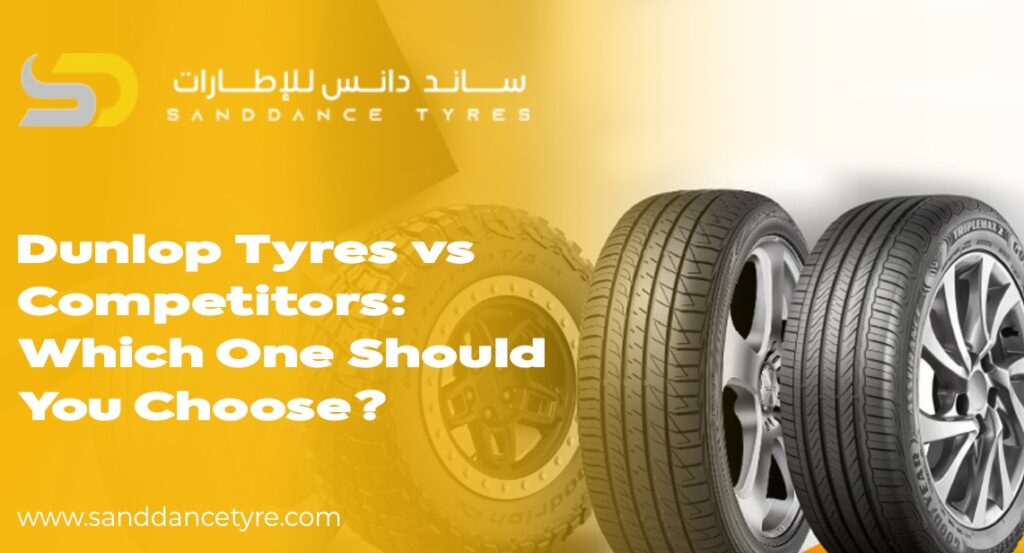
When it comes to keeping your vehicle safe on the road, choosing the right tyres can make all the difference. Among the many options available, Dunlop Tyres vs Competitors remains a common debate for drivers seeking the perfect balance of performance, durability, and value. Whether you’re driving a sports car, SUV, or daily commuter, knowing the differences between Dunlop and other leading tyre brands is essential. In this comprehensive comparison, we’ll explore features, prices, and suitability by vehicle type, helping you decide which one should you choose for your driving needs.
Introduction
Selecting tyres isn’t just about aesthetics or brand loyalty—it’s about safety, comfort, and performance. Every tyre manufacturer claims to offer superior technology, but subtle differences in grip, longevity, and adaptability can drastically affect your driving experience. Understanding Dunlop Tyres vs Competitors helps buyers make informed choices and avoid potential road hazards. With the right tyre, you not only enhance vehicle control but also improve fuel efficiency and reduce long-term maintenance costs.
Comparing tyre brands matters because your vehicle interacts directly with the road. Tyres are the only point of contact, making quality, tread pattern, and durability critical. Brands like Michelin, Bridgestone, Goodyear, and Pirelli each have loyal followings, but how do they really stack up against Dunlop? Let’s dive into the specifics to uncover the advantages and limitations.
Dunlop Tyres Features vs Others
When evaluating Dunlop Tyres vs Competitors, it’s important to look beyond marketing slogans. Here are the primary performance areas:
Grip
Grip is arguably the most vital feature of any tyre. Dunlop tyres are known for their advanced tread compounds and innovative designs that provide strong traction on wet and dry roads. Compared to competitors like Bridgestone or Michelin, Dunlop often excels in cornering stability, making them ideal for sporty driving and fast response in emergency maneuvers.
Competitors also offer specialized grip features. For instance:
- Michelin Pilot Sport tyres are praised for high-speed stability.
- Goodyear Eagle F1 tyres emphasize dry road traction.
- Pirelli P Zero combines performance with handling in luxury cars.
Dunlop’s advantage lies in a balanced approach, offering reliable wet and dry performance without compromising comfort.
Durability
Tyres are a significant investment, and durability plays a crucial role in long-term value. Dunlop uses proprietary rubber compounds designed to reduce wear and resist uneven tread wear. In comparison:
- Michelin tyres are long-lasting but often come at a premium price.
- Bridgestone tyres offer durability but sometimes sacrifice sporty performance.
- Pirelli focuses on performance over longevity.
For everyday commuters, Dunlop offers a strong compromise between lifespan and driving performance.
Safety
Safety features include braking distance, hydroplaning resistance, and consistent handling. Dunlop incorporates technologies such as multi-radius tread patterns, which help maintain contact with the road under various conditions. Competitors often specialize differently:
- Goodyear focuses heavily on wet braking and aquaplaning prevention.
- Michelin integrates advanced silica compounds for grip in cold weather.
Overall, if you want tyres that maintain consistent safety across diverse road conditions, Dunlop remains a strong contender.
Price & Value Comparison
Price is often the deciding factor for many drivers. While premium brands offer advanced features, the cost can be significantly higher. Let’s break down the cost vs performance of Dunlop and competitors.
Dunlop Tyres Pricing
Dunlop tyres are generally positioned in the mid-to-premium price range. They provide a balanced offering of performance, durability, and safety without the steep pricing of ultra-premium brands like Michelin or Pirelli. For instance, an all-season Dunlop tyre might cost 15-20% less than a Michelin equivalent while offering comparable performance for daily driving.
Competitor Pricing
- Michelin: High-quality materials and technology; higher cost but excellent longevity.
- Bridgestone: Competitive mid-range pricing; slightly lower grip in some sports models.
- Goodyear: Mid-to-premium pricing with focus on wet performance.
- Pirelli: Premium pricing; performance-focused, suitable for sports cars but less value for daily commuters.
Value Analysis
When calculating value, it’s not just price but cost per kilometer and performance reliability. Dunlop offers solid value, particularly for drivers looking for a balance of quality and affordability. Its mid-range pricing ensures good durability, safety, and grip without overpaying for specialized features you may not fully use.
Best Choice by Vehicle Type
Choosing tyres based on vehicle type ensures optimal performance. Here’s how Dunlop Tyres vs Competitors fare across different vehicles.
SUVs
SUVs require tyres that can handle heavy loads, off-road conditions, and varying weather. Dunlop offers robust SUV tyres that balance comfort, grip, and longevity. Competitors like Bridgestone or Michelin provide similarly capable tyres, often with higher price tags but advanced noise-reduction features. If you want value for daily city driving with occasional off-road use, Dunlop is an excellent choice.
Sports Cars
For sports and high-performance vehicles, cornering stability, braking response, and high-speed durability are key. Dunlop’s Sport Maxx series competes directly with Michelin Pilot Sport and Pirelli P Zero. While Michelin may offer slightly better wet performance, Dunlop provides responsive handling and strong dry grip at a lower price, making it ideal for enthusiasts who want performance without premium costs.
All-Season Vehicles
All-season tyres must handle diverse weather, from summer heat to light snow. Dunlop’s all-season tyres are engineered with adaptable tread patterns for consistent traction. Competitors like Goodyear Assurance and Michelin CrossClimate also offer strong all-season performance, but Dunlop often provides better price-to-performance balance for moderate climates.
Conclusion
Comparing Dunlop Tyres vs Competitors shows that Dunlop offers a versatile, reliable, and cost-effective option for many drivers. While premium brands may excel in specialized conditions, Dunlop’s balance of grip, durability, and safety makes it suitable for SUVs, sports cars, and daily commuters alike.
If you’re still unsure, consider the type of vehicle you drive, your typical road conditions, and your budget. Ultimately, choosing the right tyre enhances safety, driving comfort, and long-term savings. For a deeper dive into tyre types, maintenance tips, and detailed brand comparisons, check out our comprehensive tyre guide How to Choose the Right Dunlop Tyre
By evaluating both performance and cost, you’ll confidently know which one should you choose for your next set of tyres.