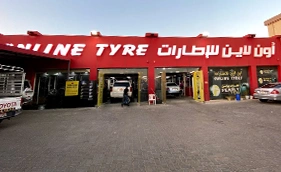

A flat tyre can happen at any time, whether you are driving to work, travelling on a highway, or navigating busy roads in Dubai. When it happens, one important question comes to mind: should you repair the damaged tyre or replace it with a new one?
Understanding the difference between flat tyre repair vs tyre replacement can help you make a safer decision, avoid unnecessary expenses, and keep your vehicle roadworthy. While some punctures can be repaired by a professional, other types of tyre damage require complete replacement.
In this guide, we will explain when tyre repair is suitable, when replacement is necessary, and how to choose the right option for your vehicle.
What Is Flat Tyre Repair?
Flat tyre repair is the process of fixing a puncture or air leak so the tyre can safely hold air again. It is generally suitable when the damage is minor, located in the repairable tread area, and the tyre’s internal structure remains in good condition.
For example, if a small nail penetrates the centre of your tyre’s tread, a qualified technician may be able to repair it without replacing the entire tyre.
A professional tyre repair typically involves:
- Removing the tyre from the wheel for inspection.
- Identifying the puncture and checking for internal damage.
- Confirming that the damage meets the manufacturer’s repair requirements.
- Applying an appropriate internal patch-and-plug repair.
- Checking for air leaks and ensuring the tyre is correctly fitted and inflated.
A proper inspection is essential because damage inside the tyre may not be visible from the outside. A simple plug inserted from the outside should not be treated as a permanent repair without the required inspection and repair procedure.
What Is Tyre Replacement?
Tyre replacement involves removing a damaged or worn tyre and installing a suitable new one. This is necessary when the existing tyre can no longer provide reliable performance or cannot be safely repaired.
Replacement may be recommended if your tyre has a sidewall cut, a bulge, severe internal damage, or a puncture that exceeds the manufacturer’s repair limits.
Common reasons for tyre replacement include:
- Deep cuts or tears in the rubber.
- Sidewall or shoulder damage.
- A bulge caused by damaged internal cords.
- Severe damage after driving on a flat tyre.
- Excessive tread wear.
- Multiple punctures that make a safe repair unsuitable.
- Age-related deterioration, cracking, or other structural damage.
Although replacing a tyre may cost more initially, it is often the safer and more economical choice when a repair would be unreliable.
Flat Tyre Repair vs Tyre Replacement: Key Differences
Understanding the main differences can help you decide what to expect when visiting a tyre service centre.
| Factor | Flat Tyre Repair | Tyre Replacement |
|---|---|---|
| Best for | Minor, repairable punctures | Severe or unsafe tyre damage |
| Typical example | Small nail in the central tread | Sidewall cut or bulge |
| Cost | Usually lower | Usually higher |
| Time required | Depends on inspection and repair | Depends on tyre availability and fitting |
| Tyre condition | Structure and tread remain suitable | Existing tyre is unsafe or worn out |
| Long-term reliability | Good when properly repaired and approved | Good when the correct tyre is installed |
The right choice depends on the location, size, and nature of the damage, as well as the tyre’s overall condition.
When Should You Choose Flat Tyre Repair?
Tyre repair may be the right option if the puncture is small and the tyre has not suffered structural damage.
1. The Puncture Is in the Centre of the Tread
The tread is the part of the tyre that contacts the road. Small punctures in its central area are often repairable if they meet the manufacturer’s requirements.
For many standard passenger-car tyres, the puncture must be no larger than approximately 6 mm. However, the permitted size depends on the tyre and its manufacturer’s specifications.
2. The Tyre Has Not Been Driven on While Flat
Driving on a completely flat or severely underinflated tyre can damage its internal structure. If you notice a flat tyre, stop somewhere safe rather than continuing to drive to a workshop.
A technician should inspect the tyre internally before deciding whether a repair is possible.
3. The Tread Is Still in Good Condition
A puncture repair will not solve the problem of a tyre that is already excessively worn. If the tread is in good condition and the tyre has no other serious damage, repair may be a reasonable option.
4. The Damage Meets Professional Repair Standards
A qualified technician must confirm that the puncture location, size, and condition meet applicable repair guidelines. If the tyre passes the inspection, a suitable professional repair may restore its serviceability.
When Do You Need Tyre Replacement?
Some types of tyre damage make replacement the safer choice, even when the tyre appears repairable at first glance.
1. Sidewall Damage
The sidewall flexes continuously as the tyre rotates. A puncture, deep cut, or tear in this area can compromise the tyre’s structure.
Sidewall and shoulder damage generally cannot be repaired using standard passenger-tyre puncture repair methods. Replacement is usually necessary.
2. A Bulge or Bubble Appears
A bulge on the sidewall can indicate that the internal reinforcing cords have been damaged. This creates a risk of sudden tyre failure.
Do not attempt to repair or continue driving on a tyre with a bulge. Arrange a safe replacement.
3. You Have Driven on a Flat Tyre
Even a short distance driven on a flat tyre can cause internal damage that is difficult to identify externally.
If the tyre has been driven without sufficient air pressure, a professional must inspect it before reuse. If its internal structure is compromised, replacement is required.
4. The Tyre Tread Is Excessively Worn
Worn tyres provide less grip, particularly on wet roads. If the tread has reached the manufacturer’s wear limit or the applicable legal limit, replacing the tyre is the appropriate solution.
5. The Tyre Has Multiple Punctures or Severe Damage
Several punctures, particularly those close together, can weaken a tyre and make safe repair impossible. Deep cuts, bead damage, and deterioration from age or heat can also require replacement.
For these reasons, a visual inspection alone is not enough to determine whether a damaged tyre is safe to use.
How Dubai’s Driving Conditions Affect Tyre Safety
Driving conditions in Dubai and the wider UAE make tyre maintenance particularly important. High summer temperatures, hot road surfaces, heavy traffic, and long journeys can increase the demands placed on tyres.
High Temperatures
Hot weather increases the importance of maintaining the correct tyre pressure and checking for signs of deterioration. Underinflation can cause excessive heat buildup, increasing the risk of tyre damage.
Check your tyre pressure when the tyres are cold and follow the pressure recommendations provided by your vehicle manufacturer.
Long-Distance Driving
If you regularly travel between Dubai, Abu Dhabi, Sharjah, or other Emirates, inspect your tyres before longer journeys. Look for cuts, bulges, uneven wear, and embedded objects.
Busy Roads and Road Debris
Nails, screws, sharp debris, and road hazards can cause sudden punctures. If a tyre loses pressure while driving, slow down carefully, avoid abrupt manoeuvres, and move to a safe location if possible.
Never continue driving on a flat conventional tyre simply because a repair shop is nearby. Use a suitable spare tyre if it is safe to do so, or call roadside assistance.
Is Flat Tyre Repair Cheaper Than Replacement?
In most cases, repairing an eligible puncture costs less than purchasing and fitting a new tyre. However, the cheapest option is not always the best choice if the damage affects safety.
The final cost of tyre repair or replacement depends on several factors:
- Tyre size: Larger tyres and certain specialised sizes may cost more.
- Tyre brand: Premium and performance tyres may have higher replacement costs.
- Damage severity: A simple repair differs from a tyre that needs replacement.
- Vehicle type: Some vehicles require specialised tyres or fitting procedures.
- Additional services: Wheel balancing, valve replacement, or other work may affect the total bill.
Before approving any work, ask the technician to explain the damage, recommended solution, and total cost. If the tyre is unsafe to repair, replacement should take priority over saving money.
How to Choose a Reliable Tyre Repair Service
Choosing an experienced tyre service provider helps ensure that your damaged tyre receives the correct assessment.
Consider these factors before selecting a workshop:
Professional Inspection
Choose a service centre that removes the tyre from the wheel when necessary to inspect its internal condition. This helps identify hidden damage that an external check may miss.
Transparent Recommendations
A reliable technician should explain why the tyre can or cannot be repaired. Be cautious of anyone who recommends a repair without checking the damage properly.
Correct Tyre Selection
If replacement is necessary, choose a tyre that meets your vehicle manufacturer’s specifications for size, load rating, speed rating, and other requirements.
Proper Fitting and Inflation
After repair or replacement, the tyre should be fitted correctly, inflated to the recommended pressure, and checked for leaks. Wheel balancing should be carried out when appropriate.
Roadside Assistance
If your tyre becomes flat in an unsafe location, a roadside assistance service can help you arrange a spare-wheel change or vehicle recovery without driving on the damaged tyre.
How to Prevent Flat Tyres in the Future
Although not every puncture can be avoided, regular maintenance can reduce the likelihood of tyre-related problems.
- Check tyre pressure regularly, including the spare.
- Inspect the tread and sidewalls for damage.
- Replace tyres that have reached their wear limit.
- Avoid driving over sharp debris when it is safe to do so.
- Check for uneven tread wear, which may indicate alignment or suspension problems.
- Follow the vehicle manufacturer’s tyre maintenance recommendations.
- Arrange a professional inspection if a tyre repeatedly loses pressure.
These simple habits can help extend tyre life and reduce the risk of unexpected breakdowns.
Frequently Asked Questions
1. Can a completely flat tyre be repaired?
Possibly, but it depends on the cause of the air loss and whether the tyre has sustained internal damage. A tyre driven while flat may need replacement even if the puncture itself is small.
2. Is it safe to repair a tyre with a nail in it?
A small nail puncture in the central tread area may be repairable. The tyre must be inspected by a qualified technician to confirm that the puncture meets the applicable repair requirements.
3. Should I replace a tyre with a sidewall puncture?
Yes, replacement is generally required for passenger-car tyres with sidewall punctures or serious sidewall damage. Standard puncture repairs are not considered suitable for these areas.
4. How long does flat tyre repair take?
A straightforward repair may take around 30 minutes, although the actual time depends on the inspection, repair method, and workshop workload. Additional damage may require more work or replacement.
5. Can I drive to a garage with a flat tyre?
You should not drive on a flat conventional tyre. Pull over safely, fit a suitable spare if possible, or arrange roadside assistance. Run-flat tyres are an exception only within the manufacturer’s specified speed and distance limits.
6. How do I know whether my tyre needs repair or replacement?
The best way is to have the tyre professionally inspected. The technician will assess the puncture location, damage size, internal condition, tread wear, and manufacturer requirements before recommending a solution.
Conclusion
Choosing between flat tyre repair and tyre replacement depends on the type and severity of the damage. A small puncture in the central tread may be repairable, while sidewall damage, excessive wear, bulges, or internal damage usually require a new tyre.
For drivers in Dubai and across the UAE, regular tyre inspections and correct inflation are essential for safer journeys, especially during hot weather.
Always prioritise safety over short-term savings. If you experience a flat tyre, stop in a safe place and arrange a professional inspection before deciding whether to repair or replace it.