
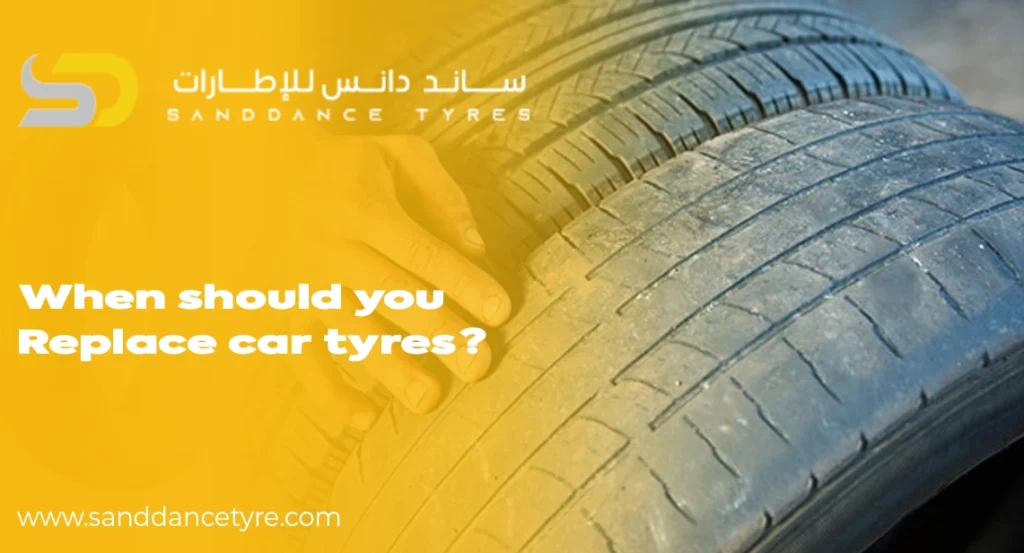
If you’ve ever found yourself staring at your tyres and wondering, “Are these still safe?”—you’re not alone. It’s one of the most common questions drivers ask, and honestly, one of the most important ones. Knowing when should you replace car tyres isn’t just about performance—it’s about keeping yourself, your passengers, and everyone else on the road safe.
This guide walks you through everything you need to know: the warning signs, the timelines, the tread depth rules, and the practical tips that most drivers never hear until it’s too late.
Why Tyre Replacement Matters More Than You Think
Tyres are the only part of your car that actually touches the road. Everything else—your brakes, your suspension, your steering—works through your tyres. So when they’re worn, cracked, or just plain old, the entire safety equation changes.
And yet, so many drivers treat tyres as an afterthought. They check the oil, clean the windshield, book the car in for a service—and quietly ignore those four rubber circles doing all the real work.
Here’s the truth: a worn tyre doesn’t just affect grip. It increases stopping distances, raises the risk of aquaplaning in wet conditions, and can blow out without warning at speed. In a city like Dubai, where summer temperatures push the asphalt to extreme heat, that risk is even higher.
So let’s get into it.
How Long Do Car Tyres Actually Last?
There’s no single answer, because it depends on how you drive, where you drive, and what kind of tyres you’re running. But here are the general guidelines most manufacturers and tyre experts follow:
Mileage-Based Replacement
Most car tyres are designed to last between 25,000 to 50,000 miles (40,000 to 80,000 km), depending on the tyre type and quality. Performance tyres wear faster. All-season tyres often last longer. If you’re putting on 15,000 km a year, you’re looking at a replacement every 3–5 years under normal conditions.
Age-Based Replacement (Even If They Look Fine)
This one surprises a lot of people. Even if a tyre looks fine—good tread, no visible damage—rubber degrades over time. The oils and chemicals that keep rubber supple slowly evaporate, and the tyre becomes harder, more brittle, and more prone to cracking.
The general rule: replace tyres every 6 years, regardless of mileage. After 10 years, replacement is non-negotiable — no exceptions.
You can find the manufacture date on the sidewall of your tyre. Look for a 4-digit code inside an oval (called the DOT code). The last four digits tell you the week and year—so “2319” means the tyre was made in the 23rd week of 2019.
7 Clear Signs It’s Time to Replace Car Tyres
Don’t wait for a blowout to tell you the answer. These are the signs that mean your tyres need to come off now—or very soon.
1. Tread Depth Is Below the Legal Limit
The legal minimum tread depth in most countries is 1.6mm. In the UAE, the same standard applies. But honestly, 1.6mm is the absolute floor—most tyre experts recommend replacing at 3 mm, because stopping performance drops significantly between 3 mm and 1.6mm, especially in the rain.
The easiest check? Use a 20-fils coin. Insert it into the tread groove. If you can see the entire band at the top of the coin, your tread is dangerously low.
2. Visible Cracks or Bulges in the Sidewall
Cracks in the sidewall are a red flag. They indicate the rubber is drying out and losing elasticity. A bulge is even more urgent—it usually means the internal structure of the tyre has been compromised, and it could blow at any time.
Do a quick visual check every time you fill up with fuel. Walk around the car. It takes 30 seconds and could save your life.
3. Vibration or Pulling While Driving
If your car pulls to one side or you feel an unusual vibration through the steering wheel, your tyres could be unevenly worn, unbalanced, or misaligned. Sometimes it’s an alignment issue—but often, the tyre itself is the problem. Either way, get it checked immediately.
4. Frequent Pressure Loss
If you’re topping up air more than once every couple of weeks, something’s wrong. A slow puncture, a damaged valve, or a tyre that’s simply worn too thin can all cause gradual pressure loss. Don’t keep filling it up and hoping for the best—get it inspected.
5. Uneven Wear Patterns
Wear across the centre of the tyre usually means over-inflation. Wear on both edges points to underinflation. Wear on one edge suggests a wheel alignment problem. These patterns don’t just mean you need to replace car tyres — they mean something else is wrong too, and that needs fixing before you put new rubber on.
6. After Any Significant Impact
Hit a deep pothole at speed? Scraped a kerb at an angle? These impacts can cause internal damage that isn’t visible from the outside. Even if the tyre looks fine, have it inspected by a professional after any significant knock.
7. Poor Performance in Wet Conditions
If your car takes longer to stop in the rain or feels like it’s floating rather than gripping, your tyre tread is no longer channelling water away effectively. This is called aquaplaning, and it’s dangerous. Wet-weather performance is one of the first things to go as tyres age and wear.
How to Check Your Tyre Tread Depth at Home
You don’t need special equipment for this. Here are three methods that work:
The Coin Test: Use a small coin (20 fils works well). Insert it into the tread groove with the number facing you. If you can see the number clearly, your tread is below 3 mm—time to start thinking about replacements.
Tread Wear Indicators: Most modern tyres have small raised bars built into the grooves. When the tyre surface is flush with these bars, you’re at the legal minimum. If you can see them clearly, act now.
Tread Depth Gauge: These cost very little and give you an exact reading in seconds. If you want precision, this is the way to go.
Does Driving Style Affect When You Replace Car Tyres?
Absolutely. A driver who accelerates hard, brakes late, and takes corners aggressively will wear through tyres in half the time compared to someone with a smooth, steady driving style. Here’s what makes the biggest difference:
- Hard acceleration spins the rear tyres and wears the tread faster
- Late braking causes flat spots and uneven front tyre wear
- Cornering at speed puts lateral stress on the sidewalls
- Driving on poorly maintained roads increases the risk of impact damage
If you drive in Dubai’s stop-start traffic daily, your fronts will typically wear faster than your rears due to braking forces. Rotating your tyres every 8,000–10,000 km can help even out the wear and extend overall tyre life.
Tyre Replacement and Your Car’s Overall Health
Here’s something a lot of drivers don’t connect: your tyres are part of a larger system. When they’re worn or unbalanced, they put extra strain on your suspension, steering, and braking components.
Similarly, if something else in your car is off—a misaligned wheel, a worn shock absorber, a brake that’s dragging slightly—it will show up in your tyre wear pattern before anything else.
This is why, when you’re booking a tyre change, it’s worth doing a broader check at the same time. Things like wheel alignment, balancing, and brake inspection should all go hand in hand with tyre replacement. And while you’re at it, don’t neglect your air conditioning—in Dubai’s heat, a working car ac repair service is just as essential to a comfortable, safe drive as good rubber on the road.
Choosing the Right Replacement Tyre
Not all tyres are created equal. Here are the key factors to consider when it’s time to replace car tyres:
Match Your Driving Conditions
In the UAE, you’re dealing with extreme heat, sandy roads, and the occasional unexpected downpour. A tyre that performs well in these conditions needs to handle heat stress without degrading too quickly and provide reliable grip on both dry and wet surfaces.
Don’t Mix Tyre Types
Fitting different types of tyres on the same axle is a safety risk. Always replace in pairs at minimum—ideally all four at once, or front pair and rear pair together. Mixing can cause unpredictable handling, especially in emergency maneuvers.
Consider Premium Brands for Long-Term Value
Budget tyres might save money upfront, but they often wear faster and offer less grip in critical situations. A quality tyre from a trusted brand is an investment in your safety. If you’re looking for proven performance in tough conditions, BFGoodrich Tyres are worth a look—built tough, with a track record in demanding environments, including off-road and high-heat driving.
Check the Load and Speed Rating
Every tyre has a load index and speed rating. These numbers aren’t just technical — they’re safety specifications. A tyre with the wrong rating for your vehicle can fail under normal driving conditions. Always match or exceed the ratings specified in your vehicle’s manual.
How to Make Your Tyres Last Longer
You can’t avoid replacing tyres eventually, but you can push back that timeline with a few simple habits:
Check tyre pressure monthly. Under-inflated tyres wear faster on the edges and overheat more easily. Over-inflated tyres wear in the centre and reduce contact with the road. Keep them at the manufacturer’s recommended PSI — usually found on a sticker inside the driver’s door.
Get wheel alignment checked annually. Or whenever you notice uneven wear, pulling to one side, or after any significant impact. Misalignment causes rapid, uneven tyre wear that nothing else will fix.
Rotate your tyres every 8,000–10,000 km. This distributes wear evenly across all four tyres, extending the life of the set.
Avoid kerbs. Even light scraping can damage the sidewall in ways that aren’t visible until it’s too late.
Don’t overload your vehicle. Exceeding the load rating stresses the tyres and causes heat buildup, which accelerates wear and increases blowout risk.
Where to Replace Car Tyres in Dubai
When it’s time to act, you want a service that’s straightforward, honest, and knows what they’re doing. You can buy tyre online dubai and have the right set chosen for your vehicle and driving habits without the pressure of standing in a showroom. Getting the right advice upfront — on brand, type, and specification — makes all the difference between a tyre that lasts and one you’re replacing again in two years.
What Our Customers Are Saying
Khalid M. — Dubai ⭐⭐⭐⭐⭐ “My front tyres had been vibrating for weeks and I kept putting it off. Finally got them checked and they were badly worn on the inner edge — alignment was way off too. Got new tyres fitted and the car feels completely different. Should have done it months ago. Honest advice, no upselling.”
Sarah T. — Sharjah ⭐⭐⭐⭐⭐ “I had no idea my tyres were nearly 7 years old until someone pointed out the date codes. They looked fine to me but I was told the rubber was drying out and showing micro-cracks. Replaced all four and the grip in the rain is noticeably better. Really glad I got it checked.”
Ravi P. — Abu Dhabi ⭐⭐⭐⭐⭐ “Bought a set of BFGoodrich tyres after doing some research for driving on desert tracks on weekends. These have been brilliant — handles the heat, handles the sand, and the road feel on the highway is solid. Ordered online and the fitting was quick and easy.”
Fatima A. — Dubai ⭐⭐⭐⭐⭐ “After hitting a pothole on Sheikh Zayed Road I noticed my car pulling slightly to the left. Went in, they found a slow puncture and also caught that the rear tyres were worn unevenly from a long-standing alignment issue. Sorted everything in one visit. Very thorough.”
James W. — Dubai ⭐⭐⭐⭐⭐ “I always thought I’d know when tyres needed changing — the car would feel different or make noise. Turns out that’s not how it works. My tyres looked fine but were 8 years old and the tread was nearly gone. The team explained the age thing properly and showed me the date codes. Genuinely useful service.”
Final Word
Knowing when should you replace car tyres isn’t complicated once you know what to look for. Check your tread depth regularly. Know the age of your tyres. Watch for the warning signs. And don’t wait for something to go wrong before you act.
Your tyres are the foundation of everything your car does. Treat them that way.