
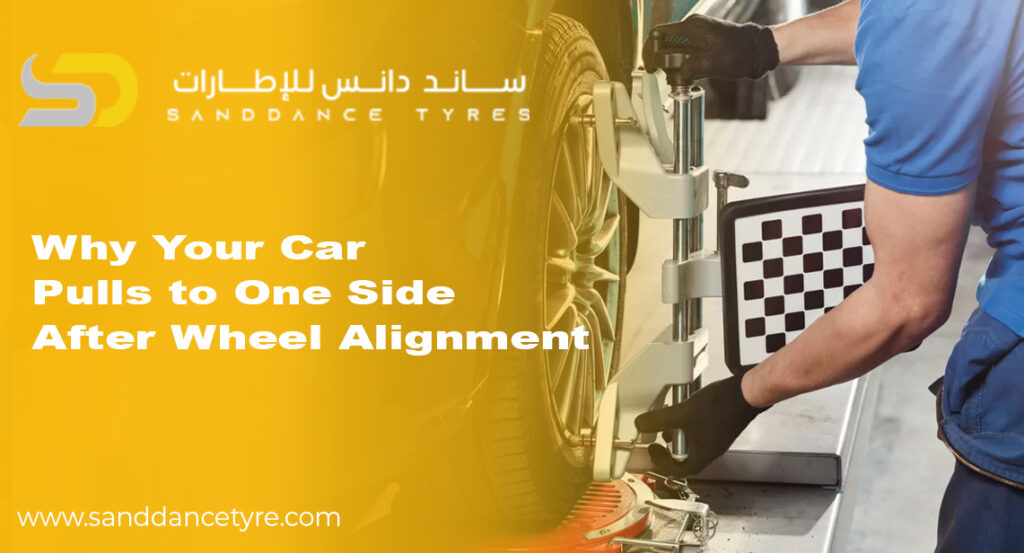
You finally got a wheel alignment near me, but your car still drifts or pulls to one side while driving. It can be frustrating, especially when you expected the alignment to solve the problem immediately. While wheel alignment is one of the most common solutions for steering issues, it is not always the only cause. Several other mechanical and tire-related problems can make your vehicle pull even after a professional alignment.
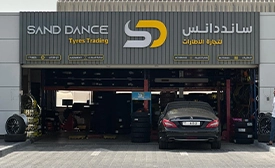
At Sand Dance Tyre, we often help drivers who experience this issue. Understanding the real cause can save you money, improve driving safety, and prevent unnecessary tire wear.
Is It Normal for a Car to Pull After Wheel Alignment?
No. A properly aligned vehicle should travel straight on a level road with minimal steering correction. If your vehicle still pulls after a recent alignment, something else may be affecting its handling.
Sometimes the issue is minor, such as uneven tire pressure. In other cases, worn suspension parts or brake problems may be responsible. Identifying the exact cause requires a complete inspection rather than relying on alignment alone.
Uneven Tire Pressure Can Cause Pulling
One of the most overlooked reasons a car pulls to one side is incorrect tire pressure. Even a small difference between the left and right tires changes how the vehicle rolls on the road.
A tire with lower pressure creates more rolling resistance, causing the vehicle to drift toward that side. This can happen even if the wheel alignment angles are perfectly within specification.
Before assuming the alignment failed, always check your tire pressures and adjust them according to the manufacturer’s recommendations.
Tire Wear Patterns Affect Vehicle Direction
Uneven or irregular tire wear often causes pulling after alignment. Tires that have developed feathering, cupping, or excessive shoulder wear may continue pulling because the tread has already worn unevenly.
Even after correcting the alignment, damaged tread patterns remain. In many cases, rotating the tires or replacing worn tires solves the issue immediately.
At Sand Dance Tyre, our technicians inspect tire condition before performing alignment because worn tires can hide the real problem.
Radial Tire Pull
Sometimes the tires themselves are responsible.
A radial pull occurs when one tire naturally rolls slightly differently due to internal construction differences. Although the alignment measurements are correct, the vehicle still drifts.
Technicians usually confirm this by swapping the front tires from left to right. If the pulling direction changes, the tire—not the alignment—is causing the issue.
Worn Suspension Components
Wheel alignment depends on suspension parts staying in their correct positions. If components are worn, the alignment changes while driving.
Common worn parts include:
- Ball joints
- Control arm bushings
- Tie rod ends
- Wheel bearings
- Suspension arms
Even the most accurate alignment cannot compensate for loose suspension components. These parts should always be inspected before alignment adjustments are made.
Steering Components Need Inspection
Modern steering systems rely on several interconnected parts working together.
If the steering rack, tie rods, or steering linkage develops excessive play, the vehicle may wander or pull despite having correct alignment angles.
A complete steering inspection ensures every component is functioning properly before blaming the alignment.
Brake Problems Can Make Your Car Pull
A sticking brake caliper is another common reason vehicles pull unexpectedly.
If one front brake remains partially engaged, it creates resistance that pulls the vehicle toward that side, especially while braking.
Symptoms include:
- Car pulls harder when braking
- Burning smell from one wheel
- Uneven brake pad wear
- Excessive wheel heat
Many drivers mistake brake pull for alignment problems.
Incorrect Alignment Settings
Although uncommon at experienced workshops, incorrect alignment adjustments can still happen.
Proper alignment involves adjusting:
Camber
Incorrect camber causes uneven tire contact with the road, affecting handling and tire wear.
Caster
Caster greatly influences straight-line stability. Unequal caster angles often cause vehicles to pull toward the side with less positive caster.
Toe
Improper toe settings reduce steering stability and accelerate tire wear.
This is why choosing experienced alignment specialists matters.
Road Crown May Be the Reason
Most roads are built with a slight slope, known as a road crown, allowing water to drain safely.
Even perfectly aligned vehicles may drift slightly toward the shoulder on these roads. Technicians usually verify alignment by road testing on relatively flat roads before diagnosing additional problems.
Accident Damage Can Affect Alignment
If your vehicle has been involved in an accident, bent suspension or chassis components may prevent proper alignment.
Even though the alignment machine shows acceptable readings, hidden structural damage may still influence how the vehicle drives.
Professional inspections help identify these hidden issues.
Wheel Bearing Problems
Damaged wheel bearings create excessive movement inside the wheel assembly.
Symptoms include:
- Pulling during driving
- Humming or grinding noises
- Steering vibration
- Uneven tire wear
Wheel bearings should always be checked when diagnosing persistent steering issues.
Why Choosing the Right Workshop Matters
Not every alignment service includes a full suspension and steering inspection.
At Sand Dance Tyre, we believe proper diagnostics are just as important as alignment itself. Our technicians inspect:
- Tire condition
- Tire pressure
- Suspension components
- Steering system
- Brake performance
- Wheel bearings
- Alignment specifications
This complete approach helps identify the real reason your car continues pulling.
Signs You Should Visit a Wheel Alignment Specialist Immediately
You should schedule an inspection if you notice:
- Steering wheel is off-center
- Car drifts without steering input
- Uneven tire wear
- Steering feels loose
- Vehicle pulls harder while braking
- Steering wheel vibrates
- Tires squeal during turns
Ignoring these warning signs can reduce tire life, increase fuel consumption, and compromise safety.
How Often Should Wheel Alignment Be Checked?
Most experts recommend checking wheel alignment:
- Every 10,000–15,000 km
- After hitting a large pothole
- After replacing suspension parts
- After installing new tires
- If steering behavior changes
- Following a minor accident
Regular inspections help maximize tire life and improve vehicle safety.
Why Choose Sand Dance Tyre?
Finding reliable wheel alignment near me means choosing experienced professionals who inspect more than just alignment angles.
At Sand Dance Tyre, we combine advanced computerized alignment equipment with comprehensive steering and suspension inspections. Our skilled technicians identify the real cause of pulling, helping you avoid unnecessary repairs while keeping your vehicle safe, stable, and comfortable to drive.
Whether your issue is worn tires, suspension damage, brake drag, or alignment settings, our team provides accurate diagnosis and professional solutions tailored to your vehicle.
Conclusion
If your vehicle still pulls after getting a wheel alignment near me, don’t assume the alignment failed. Tire pressure, uneven tire wear, suspension damage, steering problems, brake issues, or wheel bearings may all contribute to the problem. A complete inspection is the only way to identify the true cause.
Visit Sand Dance Tyre for expert diagnostics, precise wheel alignment, and professional tire services that restore your vehicle’s stability, extend tire life, and ensure a safer driving experience.
Frequently Asked Questions
Why does my car still pull after wheel alignment?
The most common reasons include uneven tire pressure, worn tires, suspension problems, brake issues, or damaged steering components rather than incorrect alignment.
Can bad tires cause pulling after alignment?
Yes. Unevenly worn or defective tires often continue pulling even when the alignment is perfectly adjusted.
Is pulling after wheel alignment dangerous?
Yes. Persistent pulling may indicate suspension, steering, or brake problems that can affect vehicle control and increase tire wear.
How long should a wheel alignment last?
Under normal driving conditions, wheel alignment can remain accurate for 10,000–15,000 km unless your vehicle hits potholes, curbs, or experiences suspension damage.
Where can I find reliable wheel alignment near me?
If you’re searching for wheel alignment near me, Sand Dance Tyre offers professional computerized wheel alignment, tire inspections, balancing, and suspension checks to keep your vehicle driving safely and smoothly.