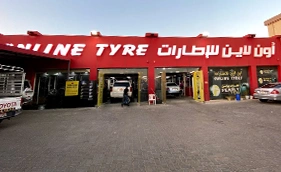


If your car’s air conditioning is blowing warm air, making strange noises, or barely working at all, you need a reliable car AC repair service before the next heatwave catches you off guard. The most common causes are low refrigerant from a leak, a failing compressor, a clogged cabin filter, or electrical faults in the cooling system—and most of these can be diagnosed and fixed within a single visit by an experienced technician. In a climate where the AC isn’t a luxury but a survival tool, knowing what’s actually wrong (and what it’ll take to fix it) can save you both money and a very uncomfortable commute.
We’ve all been there. You hop into your car after a long day, crank the AC, and… nothing. Or worse, it’s running, but the air coming out feels more like a hot exhale than a cool breeze. It’s frustrating, it’s hot, and honestly, it’s the kind of problem that tends to get ignored until it becomes a much bigger (and pricier) headache. This guide walks you through the most common AC problems, the warning signs you shouldn’t brush off, and what real solutions look like—no jargon, no scare tactics, just straight answers.
Why Car AC Problems Happen More Often Than You’d Think
Car air conditioning systems are a closed loop of refrigerant, compressors, condensers, and electrical components, all working together under the hood—which also means there are a lot of small parts that can wear out, leak, or fail over time. Add in heat, dust, vibration, and the occasional pothole, and it’s no surprise that AC issues are one of the most common reasons drivers book a car AC repair appointment.
What makes things trickier is that AC problems don’t always show up the same way. Sometimes it’s a sudden total failure. Other times, it’s a slow decline—the air gets a little less cold every week until one day you realize it hasn’t actually been “cold” in a month. Catching the early signs makes a real difference, both for your comfort and your wallet.
Common Car AC Problems You’re Likely to Run Into
1. Refrigerant Leaks
This is, by a wide margin, the number one reason cars lose cooling power. Refrigerant doesn’t just “run out” on its own — if your levels are low, there’s almost always a leak somewhere in the system, whether that’s a hose, a seal, or the condenser itself. Driving around with low refrigerant doesn’t just mean weaker cooling; it can also put extra strain on the compressor, which is a far more expensive part to replace.
2. A Failing Compressor
Think of the compressor as the heart of your AC system — it pressurizes the refrigerant and keeps it circulating. When it starts to fail, you’ll usually notice loud clunking or grinding noises when the AC is switched on, inconsistent cooling, or the AC clutch not engaging at all. Compressors don’t usually fail overnight; there’s typically a buildup of small warning signs before a full breakdown.
3. Clogged or Dirty Cabin Air Filter
This one’s easy to overlook because it has nothing to do with refrigerant or mechanical parts—it’s just airflow. A clogged cabin filter restricts the amount of air moving through the system, which means weaker airflow from your vents even if everything else is technically working fine. It’s also one of the cheapest and fastest fixes on this list, which makes it worth checking first.
4. Electrical and Sensor Issues
Modern cars rely on a network of sensors and relays to manage the AC system, including the climate control module, pressure switches, and blower motor resistors. When one of these goes faulty, you might get inconsistent temperatures, an AC that only works on certain fan speeds, or a system that simply won’t turn on. These issues can be tricky to diagnose without proper scan tools, which is why DIY troubleshooting often hits a wall here.
5. Condenser Damage
The condenser sits at the front of your car, right behind the grille, which makes it vulnerable to damage from road debris, stone chips, and accident impacts. A damaged condenser can leak refrigerant or block proper airflow, leading to poor cooling performance even when the rest of the system is healthy.
6. Mold, Mildew, and Bad Odors
If your AC smells musty or sour when you turn it on, that’s usually moisture buildup in the evaporator core creating the perfect environment for mold and bacteria. It’s not just unpleasant—for people with allergies or respiratory sensitivities, it can actually be uncomfortable to drive with the AC running.
Warning Signs You Shouldn’t Ignore
Most AC failures give you a heads-up before they fully break down. Here’s what to watch for:
- Warm air instead of cold, even with the AC on its lowest setting
- Weak airflow from the vents, even when the fan is on high
- Unusual smells — musty, sweet, or burning odors when the AC kicks in
- Strange noises like clicking, grinding, or hissing when you switch the AC on
- Cycling on and off rapidly instead of running consistently
- Visible moisture or fluid under the car, particularly near the front
- Foggy or humid windows that won’t clear, even with the defroster on
If you notice even one or two of these, it’s worth getting it looked at sooner rather than later. AC systems rarely fix themselves, and a small leak today can mean a compressor replacement in a few months.
How a Professional Car AC Repair Service Diagnoses the Problem
A proper diagnosis goes well beyond just checking refrigerant levels. Here’s generally what a thorough inspection looks like:
Pressure Testing
Technicians connect gauges to the high and low-pressure sides of the AC system to check whether refrigerant levels and pressure are within the correct range. Abnormal readings often point directly to a leak or a failing compressor.
Leak Detection
Using UV dye or electronic leak detectors, technicians can pinpoint exactly where refrigerant is escaping — whether that’s a hose connection, a seal, or a crack in the condenser — without having to guess or replace parts unnecessarily.
Component Inspection
This includes a visual and functional check of the compressor, condenser, evaporator, expansion valve, and blower motor, along with the electrical connections and relays tied to the AC system.
Performance Testing
Once repairs are made, the system gets tested under real operating conditions to confirm the vents are actually producing the temperature drop you’d expect—not just that the parts are technically working.
If you’re dealing with any of these symptoms in Dubai’s heat, it’s worth booking a proper car AC repair service rather than guessing at the cause yourself. A correct diagnosis the first time around usually ends up being cheaper than a few rounds of trial-and-error fixes.
Expert Solutions: What Actual Repairs Look Like
Refrigerant Recharge
If the system is low but there’s no major leak, a recharge tops off the refrigerant to factory-recommended levels. This is often paired with a dye test so any future leaks are easier to spot.
Leak Repair
Depending on where the leak is, repairs might involve replacing a hose, resealing a connection, or — in more serious cases — replacing the condenser or evaporator. Once the leak is fixed, the system gets recharged and tested.
Compressor Replacement
When the compressor has failed or is making concerning noises, replacement is usually the safest route. A new compressor, paired with a system flush to remove old refrigerant and contaminants, restores proper cooling performance.
Cabin Filter Replacement
This is about as straightforward as car maintenance gets—swapping out the old filter for a new one immediately improves airflow and air quality.
Electrical Diagnostics and Repair
For sensor or relay issues, technicians use diagnostic scan tools to pinpoint the exact faulty component rather than replacing parts at random. This saves time and avoids unnecessary costs.
System Sanitization
For musty smells, an AC system clean and sanitization treatment removes mold and bacteria buildup from the evaporator core, leaving the air noticeably fresher.
How Often Should You Service Your Car AC?
Most manufacturers and technicians recommend having your AC system checked at least once a year, ideally before the hottest months hit. Even if everything seems fine, refrigerant levels naturally drop a little over time, and a quick inspection can catch small issues before they turn into full system failures. Regular servicing also tends to extend the life of the compressor, which is by far the most expensive component to replace.
If your vehicle is a few years old or has higher mileage, it’s worth being a bit more proactive — small leaks and worn seals become more common as parts age, and catching them early is always cheaper than waiting for a breakdown.
DIY Checks vs. When to Call a Professional
There’s a handful of things you can check yourself before booking an appointment:
- Make sure the cabin air filter isn’t visibly clogged or dirty
- Check that the AC fuse hasn’t blown (your owner’s manual will show the fuse box location)
- Listen for unusual noises when the AC compressor engages
- Confirm the vents themselves aren’t physically blocked or closed
That said, anything involving refrigerant, electrical diagnostics, or compressor work really should be left to a professional. Refrigerant handling requires specific tools and certification in most regions, and incorrect handling can damage the system further or pose safety risks. If your basic checks don’t solve the issue, it’s time to bring it to a workshop that specializes in car AC repair.
Choosing the Right Workshop for Car AC Repair
Not all repair shops handle AC systems the same way, and it’s worth being a little selective here. Look for a workshop that uses proper diagnostic equipment rather than relying purely on guesswork, offers a clear breakdown of what’s wrong before starting repairs, and stands behind their work with some form of warranty. Transparency matters a lot in this kind of service — you want to know exactly what’s being replaced and why, not just get handed a bill at the end.
It’s also worth choosing a service center that handles your vehicle’s broader maintenance needs, not just AC repair in isolation. A shop that understands your car’s full service history—including things like tyre condition and rotation—tends to catch related issues faster. If you’re already due for tyre maintenance, it’s worth checking out options like Dunlop tyres in Dubai while you’re getting your AC sorted, since combining services in one visit usually saves time.
Final Thoughts
A struggling car AC is more than just an inconvenience—in hot climates, it genuinely affects how safe and comfortable your daily drive is. The good news is that most AC problems, from refrigerant leaks to compressor wear, are well understood and very fixable when caught early. Paying attention to the warning signs — warm air, weak airflow, odd smells, strange noises — and acting on them quickly is the simplest way to avoid a much bigger repair bill down the line.
If your AC isn’t keeping up with the heat anymore, don’t wait until it stops working entirely. A proper inspection from an experienced car AC repair service can usually identify the issue quickly and get your system back to blowing properly cold air again. For trusted, transparent service across AC repair and general vehicle maintenance, you can explore everything available at Sand Dance Tyre, where the focus stays on getting things right the first time rather than just patching problems temporarily.