

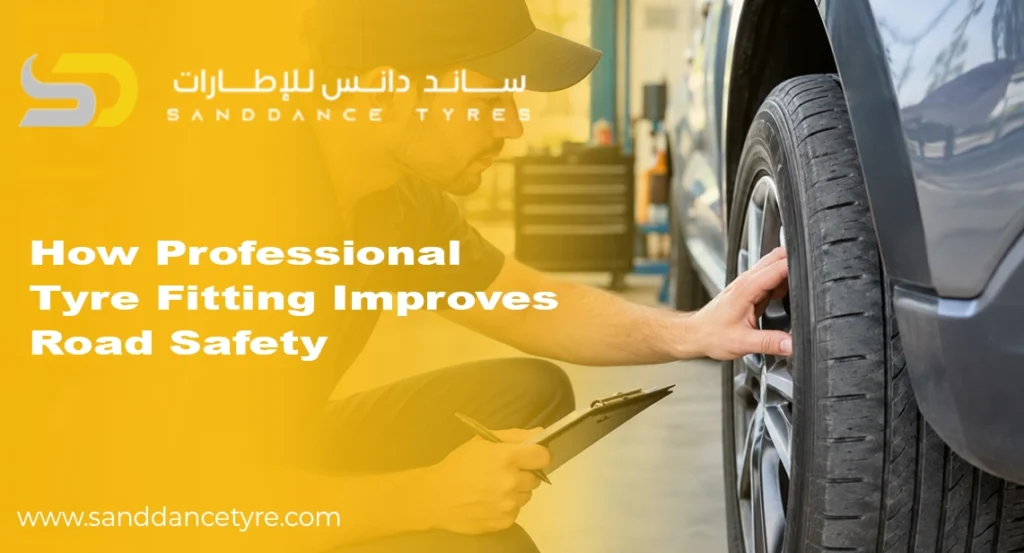
Tyres play a vital role in keeping your vehicle safe on the road. They provide grip, support braking, improve handling, and help maintain stability in different driving conditions. However, even high-quality tyres may not perform properly if they are installed incorrectly. This is why professional tyre fitting is an important part of vehicle maintenance, especially for drivers who regularly travel on busy roads and highways.
Professional tyre fitting involves more than simply removing an old tyre and installing a new one. It includes checking tyre compatibility, mounting the tyre correctly, balancing the wheel, and ensuring that everything is secure before the vehicle returns to the road. These steps help reduce avoidable risks and improve the overall driving experience.
In this guide, we explain how professional tyre fitting improves road safety, what the service includes, and why choosing an experienced tyre technician matters.
Why Professional Tyre Fitting Is Important
Correct tyre installation helps your vehicle maintain proper contact with the road. When tyres are fitted incorrectly, you may experience vibration, uneven tyre wear, reduced handling performance, or problems maintaining control of the vehicle.
A professional technician follows the correct procedures and uses appropriate equipment to ensure that each tyre is installed according to the vehicle manufacturer’s specifications.
Professional tyre fitting helps drivers by:
- Improving tyre grip and vehicle stability.
- Supporting effective braking performance.
- Reducing steering vibration caused by wheel imbalance.
- Preventing avoidable damage to tyres and rims during installation.
- Helping identify visible tyre or wheel problems before driving.
Regular tyre inspections and proper installation are particularly important for vehicles driven frequently in hot weather, heavy traffic, and demanding road conditions.
1. Improves Tyre Grip and Road Traction
Tyre grip is essential for safe driving. It allows your vehicle to accelerate, turn, and stop while maintaining contact with the road surface.
During professional tyre fitting, technicians check the tyre size, specifications, directional markings, and other relevant details. They also inspect the tyre and wheel assembly for visible damage that could affect performance.
Incorrect tyre installation or the use of unsuitable tyres can compromise vehicle handling. Professional fitting helps ensure the tyres are mounted in the correct direction and are compatible with the vehicle.
Good traction is especially important when driving on wet roads, navigating sharp turns, or making sudden stops. Drivers should also maintain the recommended tyre pressure and replace tyres when their tread becomes excessively worn.
2. Supports Better Braking Performance
Your tyres are directly involved in bringing your vehicle to a stop. Even an efficient braking system cannot provide its best performance if the tyres have insufficient grip or are unsuitable for the vehicle.
Professional tyre fitting supports braking performance by ensuring that the tyres are correctly installed and that the wheels are properly balanced. Technicians can also identify visible tread damage, uneven wear, or other concerns that may require further inspection.
Correctly fitted tyres, combined with appropriate tread depth and inflation pressure, help maintain consistent contact with the road.
Drivers should remember that stopping distance also depends on vehicle speed, road conditions, tyre condition, brake maintenance, and the distance between vehicles. Professional tyre fitting supports safety, but it cannot eliminate every braking risk.
3. Reduces Wheel Vibration and Improves Vehicle Stability
Have you ever noticed your steering wheel vibrating while driving at higher speeds? One possible cause is an imbalanced wheel and tyre assembly.
Professional tyre fitting commonly includes wheel balancing. During this process, technicians use a balancing machine to identify uneven weight distribution and apply suitable balancing weights where necessary.
Proper wheel balancing helps reduce unwanted vibration and supports smoother driving. It can also help prevent irregular tyre wear and reduce unnecessary stress on certain suspension and steering components.
However, vibration can also result from bent rims, damaged tyres, alignment problems, or worn suspension parts. If the problem continues after balancing, a more detailed inspection may be necessary.
4. Helps Prevent Uneven Tyre Wear
Uneven tyre wear can reduce tyre lifespan and affect handling. It may develop because of incorrect tyre pressure, poor wheel alignment, unbalanced wheels, worn suspension components, or unsuitable driving habits.
During a professional tyre fitting service, technicians can inspect the condition of the existing tyres and look for signs of abnormal wear.
If the inspection reveals a potential problem, they may recommend wheel alignment, balancing, pressure correction, or further mechanical checks.
Correct installation alone will not resolve every tyre wear issue. However, identifying related problems early can help drivers take appropriate action before the tyres deteriorate further.
For better results, check tyre pressure regularly and rotate tyres according to the vehicle manufacturer’s recommendations.
5. Ensures Correct Tyre Pressure and Fitment
Tyre pressure has a significant effect on vehicle safety, fuel efficiency, and tyre durability.
Underinflated tyres can generate excessive heat and may increase rolling resistance. Overinflated tyres can reduce the contact area with the road and affect ride comfort and grip.
During professional tyre fitting, technicians can inflate tyres to the recommended pressure and check that the tyre is seated correctly on the rim.
The correct pressure depends on the vehicle and its load. Drivers should follow the manufacturer’s recommendations, usually displayed on a label inside the driver’s door area or in the owner’s manual, rather than relying only on the maximum pressure printed on the tyre.
Checking tyre pressure when the tyres are cold generally provides the most useful reading.
6. Protects Tyres and Rims During Installation
Incorrect installation techniques can damage both tyres and wheels. For example, improper use of mounting equipment may damage the tyre bead or scratch the rim.
Professional technicians use appropriate tyre-changing equipment and follow suitable mounting procedures to reduce these risks.
They also check the condition of the rim and inspect relevant components before completing the installation. If a wheel is cracked, bent, or otherwise damaged, it may require repair or replacement before it can be used safely.
After fitting, the wheel fasteners must be tightened according to the vehicle manufacturer’s specifications. Correct tightening is essential because improperly secured wheels can create a serious safety hazard.
7. Improves Safety When Driving in Hot Weather
Hot weather can place additional demands on tyres, particularly during long journeys and high-speed driving. Road temperatures, vehicle loads, driving speed, and tyre pressure all influence tyre performance.
In places such as Dubai, high ambient temperatures make routine tyre maintenance especially important.
Professional tyre fitting helps ensure that tyres are suitable for the vehicle and installed correctly. Technicians may also identify cracks, bulges, cuts, or other visible signs of deterioration during the service.
Drivers should avoid overloading their vehicles, maintain the recommended cold tyre pressure, and inspect their tyres regularly. If a tyre develops a bulge or significant damage, it should be assessed promptly by a qualified professional.
8. What Does a Professional Tyre Fitting Service Include?
A complete tyre fitting service typically involves several important steps. The exact process may vary depending on the workshop, vehicle type, and service package.
Initial Tyre and Wheel Inspection
The technician examines the existing tyres and wheels for visible damage, wear, and other concerns. They may also confirm the required tyre size and specifications.
Removal of the Old Tyre
The wheel is removed when necessary, and the old tyre is carefully separated from the rim using suitable equipment.
Installation of the New Tyre
The technician checks compatibility and mounts the new tyre onto the wheel. Directional tyres and tyres with specific inside and outside markings must be installed correctly.
Inflation and Seating Checks
The tyre is inflated according to the appropriate procedure. The technician checks that the tyre bead is seated correctly and inspects for obvious fitting problems.
Wheel Balancing
The wheel and tyre assembly is balanced when included in the service or required by the installation procedure. This helps reduce vibration caused by uneven weight distribution.
Wheel Installation and Final Checks
The wheel is refitted, and the fasteners are tightened to the manufacturer’s specified torque. Tyre pressure, fitment, and other relevant safety details are checked before the vehicle is returned.
Wheel alignment is a separate service and may be recommended if there are signs of uneven wear, steering pull, or suspension-related issues.
9. Signs You Need Professional Tyre Fitting or Inspection
Knowing when to seek tyre assistance can help prevent avoidable driving risks.
Consider visiting a tyre specialist if you notice:
- Worn tread: The tyre has reached its legal or manufacturer-recommended replacement limit.
- Visible damage: Cuts, cracks, bulges, or exposed internal material appear on the tyre.
- Steering vibration: The steering wheel or vehicle vibrates while driving.
- Frequent pressure loss: A tyre repeatedly loses air and requires inspection.
- Uneven wear: One edge or section of the tyre wears faster than the rest.
- Recent tyre replacement: New tyres need to be mounted, balanced, and checked correctly.
- Wheel or tyre damage: A pothole or road impact may have damaged the tyre or rim.
If you experience sudden pressure loss, a severe vibration, or a visible tyre bulge, avoid continuing to drive on the affected tyre. Stop somewhere safe and arrange professional assistance.
10. How to Choose a Reliable Tyre Fitting Service
Choosing an experienced tyre service provider is just as important as selecting the right tyres. A reliable workshop should follow appropriate installation procedures and explain any additional work that may be necessary.
Before booking a service, consider the following factors:
Qualified technicians: Look for technicians who understand tyre specifications, mounting procedures, balancing, and wheel safety.
Suitable equipment: A professional workshop should have appropriate tyre-changing and balancing equipment for your vehicle.
Correct tyre selection: Confirm that the tyres match your vehicle’s recommended size, load index, and speed rating.
Transparent pricing: Ask what the service includes, such as fitting, balancing, valves, and disposal of old tyres.
Final safety checks: Ensure the workshop checks tyre pressure, correct mounting, and wheel-fastener tightening.
Additional inspection services: Ask whether wheel alignment or other checks are recommended based on the condition of your vehicle.
Taking a little time to choose a dependable provider can help you avoid installation problems and maintain confidence behind the wheel.
Conclusion
Professional tyre fitting is an important part of maintaining road safety. Correct installation, appropriate inflation, wheel balancing, and proper tightening all contribute to reliable tyre performance and vehicle stability.
Although professional fitting cannot prevent every road incident, it helps reduce risks associated with incorrect installation and can reveal problems that require attention. Drivers should combine professional tyre services with regular pressure checks, tread inspections, and timely tyre replacement.
Whether you are replacing worn tyres or installing a new set, choosing a qualified tyre technician is a practical step towards safer and more comfortable driving.
Frequently Asked Questions
1. Why is professional tyre fitting important?
Professional tyre fitting ensures that tyres are compatible with the vehicle, correctly mounted, properly inflated, and securely installed. It also helps identify visible tyre and wheel problems.
2. Does tyre fitting include wheel balancing?
Many tyre fitting packages include wheel balancing, but this depends on the workshop and service selected. Confirm the inclusions when booking.
3. How does wheel balancing improve road safety?
Wheel balancing reduces vibration caused by uneven weight distribution in the wheel and tyre assembly. It can improve driving comfort and help reduce irregular tyre wear.
4. How often should I check my tyre pressure?
Check tyre pressure regularly, ideally at least once a month and before long journeys. Follow your vehicle manufacturer’s recommendations and measure pressure when the tyres are cold.
5. Can incorrectly fitted tyres affect braking?
Yes. Incorrect fitment, unsuitable tyres, or improper inflation can affect traction and handling, which may influence braking performance. Correct fitting and regular maintenance help support safer braking.
6. When should I replace my tyres?
Replace tyres when they reach the applicable legal or manufacturer-recommended tread limit, or when damage makes them unsafe. A qualified technician can assess their condition and advise whether replacement is necessary.