

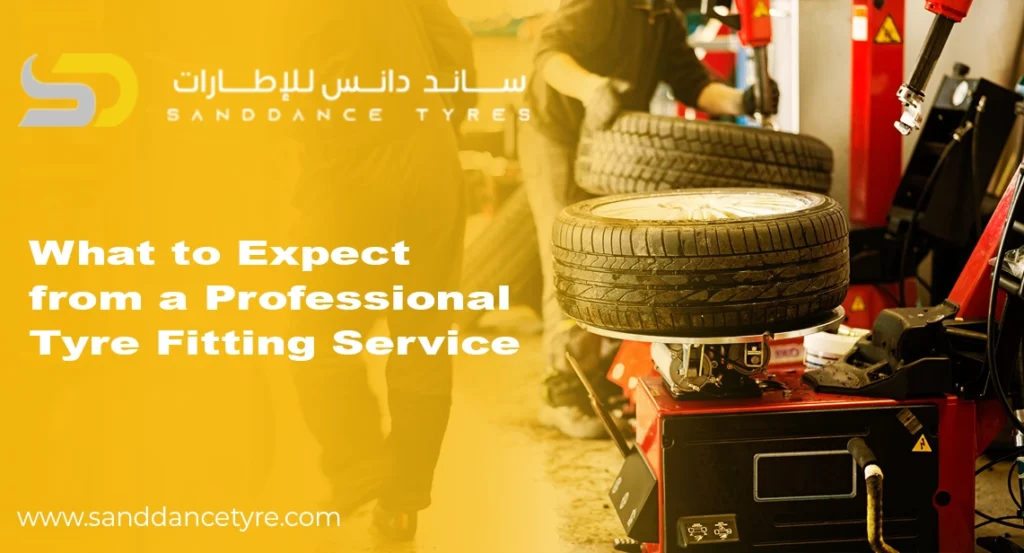
Your tyres are the part of your car that touches the road so how they are put on is just as important as which tires you choose to buy. A professional tyre fitting service goes far beyond swapping rubber on a wheel. The process begins with a careful inspection and continues with the use of precise equipment. Safety checks protect you, your passengers and your car. Whether you are booking a service for the first time or simply want to understand what you are paying for, this guide explains the process.
Why Professional Tyre Fitting Matters
Professional Tyre Fitting can save you from problems. You might be tempted to save money and go for a cheap job, but not putting a tyre on correctly can cause big problems. A tyre that isn’t placed properly on the wheel can lose air, shake when you drive or wear out unevenly after a few thousand miles. If the wheel bolts are too tight or too loose, they can hurt the threads. In this situation, a wheel could come off while you are driving.
Professional workers use tools, have experience and follow good methods. This means control, longer tyre life, better gas mileage and most importantly, a safer ride.
Step-by-step: What Happens During a Professional Tyre Fitting
Initial Inspection and Consultation
A good service begins with a chat. The worker checks your tyres for damage, cracks, bulges and uneven tread, and makes sure the size, weight limit and speed limit your car needs are correct. They also ask about how you drive, like if you go to work, drive on highways or go off-road, so the suggestion works for you.
Choosing the Right Tyres
Once your needs are clear, the worker explains the choices. Cheap, medium and high-end tyres each have levels of grip, comfort, noise and how long they last.
Ask about all‑weather choices too. A reputable professional will give advice rather than push the most expensive option.
Safe. Wheel Removal
Your vehicle is raised with a lift or jack at the correct lifting points. Wheel nuts are removed Removed in a controlled sequence. This protects the suspension, the bodywork and the wheel itself. It stops damage that rushed handling can cause.
Removing the Old Tyre
The wheel is placed on a tyre‑changing machine, which breaks the seal between the tyre and the rim and lifts the tyre off without scratching or bending the wheel. Alloy wheels especially need careful handling, so modern machines with protective guards are important.
Rim Inspection and Cleaning
Before a new tyre goes on, the rim, it is. Checked for corrosion, dents or buckling. A damaged or dirty rim can cause air leaks. The valve is usually. Serviced at this stage because a worn valve is a common source of pressure loss.
Fitting the New Tyre
The technician applies tyre lubricant to the bead, then mounts the new tyre onto the rim. The tyre is inflated until the bead sits firmly against the rim edge. If your tyres are directional or asymmetric, they are positioned correctly so they perform as designed.
Wheel Balancing
No tyre and wheel combination is perfectly even, so each assembly is spun on a balancing machine to find spots. Small weights are then added to correct them. Proper balancing stops steering wheel vibration, uneven wear and unnecessary strain on suspension parts. Many professionals also offer wheel alignment, which is worth considering if your car pulls to one side.
Refitting, Torque Check and Pressure Setting
The wheels go back on the vehicle. The nuts are tightened to the manufacturer’s torque setting using a torque wrench. Tyre pressure is then set to the recommended level and any tyre pressure monitoring system is reset. Many fitters suggest rechecking the nuts after 50 miles or so for extra peace of mind.
How Long Does a Professional Tyre Fitting Take?
For a car, replacing four tyres usually takes between 45 minutes and an hour. A single tyre can take as little as 20 to 30 minutes. Adding alignment, repairs or specialist wheels can extend the visit. Booking an appointment is the way to avoid long waits and ensure the right tyres are in stock.
Mobile Tyre Fitting vs Garage Tyre Fitting
Both options can give results,lts so the right choice depends on your schedule and vehicle. A garage‑based service has equipment, a clean workspace and the full range of machines for balancing and alignment. It is usually the pick for specialist wheels, run‑flat tyres or complicated repairs. Mobile tyre fitting brings an equipped van to your home or workplace, which saves time and is ideal for emergencies such as a puncture in the car park. Ask whether the mobile team carries a balancing machine and a torque wrench because a roadside job should meet the standard of a workshop one.
What Affects the Cost of Tyre Fitting?
Prices vary between providers. These factors usually influence the final bill:
• Tyre size and type: wheels run‑flat tyres and thin tyres need more time and care.
• Quality of the tyres: High‑end brands cost more at first. Often last longer.
• Additional services: Balancing, valve replacement, straightening and dumping of tyres may be included or charged separately.
• Vehicle type: SUVs, vans and performance cars may need equipment.
•. Convenience: Mobile services that come to your home or office can cost more.
Always ask for an itemised quote before work starts so there are no surprises.
Signs You Need New Tyres
Do not wait for a breakdown to book an appointment. Watch for these warning signs:
• Tread depth near the legal limit or at the wear indicators
• Cracks, cuts or bulges on the sidewall
• Constant shaking or pulling to one side
• Frequent loss of pressure
• Tyres older than six years, even if the tread looks fine
Catching these early makes tyre fitting a planned job rather than an emergency.
Tips for Getting the Best Result
• Check reviews and qualifications. Look for trained technicians and well‑kept equipment.
• Ask what is included. Confirm if balancing, new valves and disposal are part of the price.
• Replace tyres in pairs or sets. Matching tyres on the axle keeps handling predictable.
• Keep your locking wheel nut handy. Bring it with you so the job is not delayed.
• Maintain your tyres afterwards. Check pressure each month. Rotate tyres as recommended.
Common Tyre Fitting Mistakes to Avoid
Experienced drivers can fall into a few traps when booking tyre fitting:
• Choosing only the lowest price. The lowest quote may leave out balancing, valves or disposal. The final bill ends up higher.
• Mixing tyre types on one axle. Different grip levels make braking and cornering unpredictable.
• Ignoring the spare. Check its pressure and condition while the car is in the workshop.
• Skipping the straightening check. Poor straightening will wear out your set quickly.
• Forgetting the date code. Check the code on the sidewall so you know your new tyres are fresh.
Aftercare: What to Do After Your Tyre Fitting
Good habits protect your investment after you drive away:
• Recheck the wheel nuts after 50 miles.
• Allow a bedding‑in period. New tyres have a smooth release coating, so avoid braking and sharp cornering for the first 100 miles.
• Check pressure each month with a gauge, including the spare, when the tyres are cold.
• Rotate your tyres as the manufacturer recommends, usually every 5,000 to 8,000 miles to even out wear.
• Inspect the tread. Sidewalls regularly for stones, cuts or bulges.
Consistent care can add thousands of miles to the life of your tyres. Keeps handling predictable.
Final Thoughts
A professional service should leave you with more than just four new tyres. You should come away with an inspection report, wheels that are correctly balanced, nuts that are properly torqued, and honest advice about taking care of your tyres. By understanding each step, you can find a workshop and avoid shortcuts that end up costing more over time. The next time you need tyre fitting choose a provider that cares about safety, is open and honest and has the right skills, and book tyre fitting with a team you can trust. Your car, your wallet and your peace of mind will all be better for it.
Frequently Asked Questions
How does a professional tyre fitting take?
A standard four‑tyre job usually takes 45 to 60 minutes, while a single tyre takes 20 to 30 minutes. Extra services such as straightening or repairs add time.
Do I need wheel balancing every time I get tyres?
Yes. Balancing should be done with every tyre because even small weight differences cause vibration, uneven wear and extra strain on suspension parts.
Should I replace all four tyres at once?
Not always, but replacing tyres in pairs on the axle is strongly recommended. Fitting the pair to the rear axle helps stability, especially in wet weather.
How do I know when my tyres need replacing?
Replace them when the tread reaches the minimum for your country, which is 1.6 mm in many places or when you see cracks, bulges, or repeated pressure loss. Tyres older than six years deserve a check even if the tread looks fine.
Can a puncture be repaired or replaced?
Often yes, if the damage’s in the central tread area and smaller than about 6 mm. Sidewall damage cannot be repaired safely. The tyre must be replaced.
Is tyre fitting as safe as a garage visit?
Yes, provided the technician uses equipment, including a torque wrench and balancing tools and follows the same procedures as a workshop.