
Bridgestone Tires Near Me? How to Choose the Right Set
Your tires are the only part of your car that touches the road. Little wonder they deserve a bit of thought. Most drivers type bridgestone tires near me into a search bar the moment the old set starts to look tired. It is a smart first move. But the name printed on the side is only half the story. Size matters. So does the type. Picking the shop counts too. This guide walks you through each step in plain words so you can find a set that suits your car and your budget. Why Drivers Keep Searching for Bridgestone Tires Near Me Bridgestone is one of the biggest tire makers in the world. The company has been building tires since 1931. Its range covers small city cars as well as big family SUVs. Such a wide choice makes it easier to find a good match. Searching for bridgestone tires near me makes sense for another reason too. Close shops let you check the stock in person. Staff are right there to answer questions face to face. Fitting can happen the same day without a wait for delivery. Something feels off a week later? Just drive back and ask. Closest does not always mean best. Even a shop around the corner can sell old stock or skip basic checks. Homework pays off here. Read on to see what to look at before any money changes hands. Start With the Right Tire Size Your exact tire size is the first thing you need before you browse bridgestone tires near me. Every tire carries it on the side as a string of numbers plus one letter. Do not let that scare you. Reading it takes about a minute. Width in millimeters comes first. Next comes a number showing how tall the side of the tire is compared to its width. Wheel size in inches comes last. Say your tire reads 205 55 R16. Here the tire is 205 millimeters wide and fits a 16 inch wheel. You can find your size in three places. Check the side of the tires already on your car. Look at the sticker inside the driver door. Open the owner manual too. All three should match. Speak to a pro before you buy anything if they do not. Many people pick a bigger size just for looks. Bigger wheels can look cool. They also change how the car rides. Speedometer readings can end up wrong too. Some sizes even rub against the car body on bumps. Stick with the size the car maker chose unless a trained fitter says otherwise. Two more marks sit right after the size. One shows how much weight each tire can carry. Another shows the top speed it is built for. Owner manuals list the lowest numbers you should accept. Never go below them. Match the Tires to the Way You Drive No two drivers use their car the same way. So no single tire suits everyone. Think about your daily routine first. Short trips through city traffic need a quiet and comfortable tire. One that saves fuel helps your wallet too. Long highway runs reward a tire that stays steady at speed. Slow wear matters here as well. Bigger vehicles such as SUVs and pickups carry more weight. Their tires need to be built for that extra load. Make sure the weight rating suits your vehicle when it is full of passengers plus luggage. Drivers who leave the paved road often should pick a tougher tire with strong sides. Heat is the next thing to think about. Roads across the UAE bake in the summer sun. Hot pavement wears rubber down faster than most people expect. Models built to handle high temperatures serve you better here than basic ones. Most drivers do well with an all season tire. This type handles dry roads as well as wet ones all year. Sporty cars may prefer a summer tire that grips harder on dry pavement. Tell the shop how you drive. Good fitters will ask anyway. Check the Age and Tread Before You Pay Tires can look brand new on the shelf yet be quite old. Rubber slowly hardens with time even when a tire never touches a road. Hardened rubber grips less. Cracks also show up sooner. Always check the date. Look on the side of the tire for the letters DOT. Right after them sits a short code. Its final four digits show when the tire was made. Week comes first. Year comes second. Code 2524 means week 25 of 2024. Fresh stock made within the last two years is the best pick. Any seller of bridgestone tires near me should show you the date on every tire in your set. Tires in one set should be close in age so they wear at the same pace. Age keeps counting after the sale too. Most makers say to have tires checked once a year after the fifth birthday. Many say to replace them by the tenth year no matter how good they look. Now look at the tread. Those are the grooves across the surface. They push water out of the way so the tire keeps its grip in rain. New tires carry about 8 millimeters of tread. Many places set the legal minimum at 1.6 millimeters. Yet wet grip drops a lot well before that point. Plenty of experts say to swap tires at around 3 millimeters. Small raised bars hide inside the grooves. Replace the tire when the surface wears level with those bars. How to Find a Good Shop Nearby Typing bridgestone tires near me brings up plenty of shops. Not every one of them is equal. Quick checks help you sort them fast. Stock comes first. Any reliable tire shop keeps a wide range on hand so you are never stuck waiting for weeks. Call ahead or drop in. Confirm your exact size is on the shelf today. Then think about what comes with the tires. Proper
Wheel Alignment Near Me: A Complete Guide for Dubai Drivers
Typing alignment near me into your phone takes only two seconds. Choosing the workshop from the long list that appears takes much more effort. This guide makes that choice easier by explaining wheel alignment in words and by showing the warning signs that are worth watching. Although many Dubai roads are well maintained, speed bumps and potholes can still affect wheel alignment. Speed bumps guard every neighbourhood, and tall Curbs hide in every mall car park. The summer heat hardens the rubber on top of all that. Give your car some care now so it keeps driving for many years to come. What Is Wheel Alignment? Picture walking with one foot turned inwards. Your stride feels odd while one shoe wears out faster than the other. Cars behave in the same way. Wheel alignment simply means setting every wheel so wheel alignment points forward with the right amount of lean. Mechanics tweak parts under your car until each angle matches what the carmaker intended. Three checks matter most. How straight does each wheel point? How far does each wheel tilt in or out? Does wheel alignment return to the middle after a turn? Nothing changes about the tyres themselves or the air inside them. Only the angles move. Why It Matters on Dubai Roads Drivers here travel long distances, so even a daily drive along Sheikh Zayed Road or Emirates Road adds up quickly. Higher speeds magnify every fault, so a slight pull at 60 kilometres per hour feels far worse when you reach 120 kilometres per hour. Residential streets keep throwing humps at drivers while mall car parks hide kerbs. Weekend desert trips rattle the suspension. Then summer arrives. Heat softens rubber; uneven wear appears much faster than it would in a cooler country. Good alignment pays drivers back in four ways. Steering becomes safer because the car goes where you point it. Tyres last longer because the rubber wears evenly, chewing away on one edge. Fuel use drops slightly as the wheels roll without fighting each other. Long drives feel smoother too. Honestly, most drivers only look up wheel alignment near me after a tyre wears out. Starting earlier saves money. Signs Your Car Needs Alignment Cars often warn you well before the repair bills pile up. Keep an eye out for these clues. Want to test it yourself? Find a quiet straight road, then hold the steering wheel lightly. Watch where the car heads because any steady drift spells trouble. Running your fingers across each tyre helps too, since a rough edge on one side shows uneven wear. Shaking at high speed usually points to tyre balance instead. More on that below. Spotted one of these clues? Time to search for wheel alignment near me before the damage spreads. When to Book Your Wheel Alignment Most drivers do fine with a yearly check. Distance makes a handy guide, since a visit every ten thousand kilometres is a good rule. Some moments simply cannot wait, though. Think of the visit as cheap insurance because catching an angle problem early costs far less than replacing a full set of tyres. Dubai heat speeds up rubber wear as well, so even a slight fault grows quickly here. How the Job Works Step by Step Nothing about the process is scary. Any workshop offering wheel alignment near me should follow roughly this routine. Expect the whole thing to take thirty to sixty minutes. Grab a coffee while you wait. Alignment Versus Balancing Many drivers mix up these two jobs. Balancing spreads the weight evenly around each tyre. An unbalanced wheel makes the steering wheel shake once you pick up speed. Alignment deals with direction; misaligned cars drift sideways or chew through rubber unevenly. Both balancing and alignment improve your ride. Each solves a different problem. Skipping either balancing or alignment shortens tyre life. Many workshops offer both balancing and alignment in one visit, so ask about a combined slot. How to Choose the Best Wheel Alignment Near Me Maps show dozens of options within minutes. Sorting the great ones from the average ones takes a few smart checks. Calling ahead pays off. Ask what the job includes. Find out whether worn suspension parts get checked. Check if the work carries a guarantee. Weekday mornings tend to be calmer, so booking then often means a quicker turnaround. Need a starting point? Take a look at this ‘wheel alignment near me option in Dubai, then compare it with the other places on your list. Cost in Dubai Prices differ from shop to shop. I have seen prices change when I search for ‘wheel alignment near me’, and the quotes can vary wildly. Vehicle size plays a role. A compact sedan tends to cost less than an SUV or a 4×4. Cars with suspension can cost extra, so it is smart to ask for a quote before work starts. Remember that one short visit costs less than a fresh set of tyres. Weekends get busy, so a booked slot beats a queue. I always make sure to get a quote before work starts. What Happens If You Ignore It? Small angle errors rarely stay small. Tyres wear out much sooner than normal while steering parts take extra strain. Fuel bills creep upward. Handling also gets worse during sudden braking or quick lane changes. Those are exactly the moments when you need the car to behave. One short visit now beats a pricey repair later. Myths That Cost Drivers Money Some beliefs do real damage. The first myth says new cars never need alignment. Wrong. Factory settings can shift after one hard kerb hit. Another myth claims alignment cures every shaky steering wheel. It does not, because shaking mostly comes from unbalanced tyres. Many people also believe only old cars drift. Newer models slip out of line just as easily. The last myth says drivers always feel a problem. Small errors hide for months while the tyres quietly wear down. Habits That Protect Your
Yokohama Tyres Near Me? Best Picks for Your Vehicle in UAE
Typing Yokohama tyres near me into your phone takes two seconds. Choosing the right set takes a bit more thought. The UAE is rough on rubber because summer heat cooks the roads while highways run for hours. Even a sudden shower can turn a quiet street into a slide. So the tyres under your car matter more than most people think. This guide keeps things simple. You’ll see why so many local drivers pick Yokohama. After that you’ll find a good match whether you drive a small sedan or a big SUV. Best of all you’ll learn how to spot a shop you can trust. Let’s get started. Why UAE Drivers Trust Yokohama Yokohama is a Japanese tyre maker with over a hundred years of history. Such a long track record builds real confidence. Its name stands for steady grip and a smooth ride. Both matter every single day on UAE roads. Heat is the big test here. Cheap rubber wears out fast on hot tarmac. Quality tyres hold their shape much longer. Braking stays steady too when the air feels like an oven. That makes a real difference on a long summer drive to Abu Dhabi or Ras Al Khaimah. Choice is another plus. Small hatchbacks have options while family sedans are covered too. Pickups get their own picks. So do sporty coupes. Nearly every driver can land on something that fits. Many drivers also enjoy a calmer cabin on the highway. Nobody likes loud road noise on a two hour trip. How to Find Yokohama Tyres Near Me A fast search for Yokohama tyres near me throws up plenty of tyre shops. Not every one deserves your time though. These simple ideas help you pick a good spot. Start with stock. Call before you head over to see if your size is on the shelf today. Wide ranges save you days of waiting. Fitting comes next. Great rubber needs great fitting. Ask whether the price covers wheel balancing too since that keeps the spin smooth. Surprise fees at the counter are never fun. Look at the extras as well. Some shops handle wheel alignment checks. Others fix flat tyres on the spot. Better ones even send a mobile van to your home or office which helps on a busy day. Peek at recent reviews online because real customers tell the truth. Next pay attention to the staff. Honest people explain things in plain words. They don’t push the priciest option. Good ones also admit when your old tyres still have life left. Our branches reach six emirates. Chances are a friendly team is a short drive from you. Here is where you can find us. Comfort Picks for Sedans Most sedans spend the week on city streets or highways. Comfort rules in that world. Tyres built for a quiet ride with long wear work best. They soak up bumps nicely. A few even help you save a little fuel. Hatchbacks follow the same rule. If you commute to the office five days a week then you’ve found your sweet spot. Skip racing grip you’ll never use. Spend on comfort instead since better mileage is a nice bonus. Electric cars fit here too. Their batteries add weight so ask for tyres built to carry it quietly. Tell the shop your car model. Staff will point you to the right size in minutes. You can also read the size printed on the side of your current tyre. Tough Choices for SUVs SUVs are heavy so they need tyres that carry that weight without feeling wobbly. Road focused ones suit drivers who stay on tarmac. You get a calm highway ride with confident braking. Weekend desert trips change the plan. Go for rubber made for rough ground. Its chunky grooves grip loose surfaces better. Just know it can sound a little louder on smooth roads. That’s a fair trade if you leave the tarmac often. Not sure which group you belong to? Be honest about your driving. Most family SUVs in the UAE do fine with road tyres. Save the rugged kind for real off road fun. Smart Options for Pickups Pickups and vans work hard all week. Some carry tools. Others haul boxes or a full crew. Heavy loads put extra strain on rubber so choose tyres made to handle that weight. Have the fitter match them to the load your vehicle usually takes. Pressure needs extra attention here because a loaded vehicle works its tyres harder. Business owners with several vehicles can ask about fleet deals too. One visit can sort out the whole lot. Sports Cars Need Serious Grip Sports cars live for sharp corners. Stopping fast matters just as much. Pick tyres made for speed. Steering feels alive in your hands. There’s a catch though. Expect them to wear faster than comfort tyres. Hot roads at high speed are a tough mix too. Keep the pressure right. Watch the edges for uneven wear. Brief checks each season keep nasty surprises away. Simple Checks Before You Pay Shopping for Yokohama tyres near me? Keep these checks handy. Start with the date. Every tyre carries a four digit date mark on its side. The first two digits show the week. The last two show the year. Tyres can sit on a shelf for ages so aim for a fresh one. Match the size next. Read it off your current tyre or the sticker inside the driver’s door. Please don’t guess. Warranty details matter as well. This shows a shop stands behind what it sells. Compare the full price after that. Prices change with size and type so request a clear quote. Fair quotes cover fitting plus balancing. That way there are no shocks later. Lastly find out how long the job takes. Short waits matter when your car is your only ride. Mistakes to Avoid Buying on price alone is the classic slip. Bargain sets can wear out early. Expect to pay twice. Changing just one tyre is
Best Dunlop Tyres in Ras Al Khaimah for Safe Driving
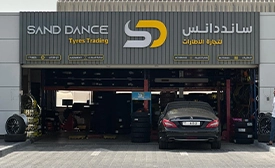
Driving in Ras Al Khaimah means dealing with hot weather, busy city roads, long highway journeys and occasional mountain trips. Your tyres play an important role in how your vehicle handles these conditions. Choosing the right set can help improve road grip, braking performance and driving comfort. For motorists comparing the best Dunlop tyres in Ras Al Khaimah, the right choice depends on the vehicle, driving habits and road conditions. Dunlop offers different tyre options for passenger cars and SUVs, including performance-focused and touring models. Before purchasing, it is important to compare tyre specifications, check your vehicle manufacturer’s recommendations, and select a model designed for your everyday driving needs. Why Choose Dunlop Tyres for Driving in Ras Al Khaimah? Tyres affect steering response, braking distance, stability and overall ride quality. A suitable set of Dunlop tyres can help drivers maintain control when travelling through urban areas or cruising along the UAE’s highways. Here are some important factors to consider when choosing Dunlop tyres: No tyre can eliminate every driving risk. Regular inspections and responsible driving remain essential, even when using a premium tyre brand. Best Dunlop Tyre Options for Different Vehicles The best Dunlop tyre is not necessarily the most expensive model. It should match your vehicle and the conditions in which you usually drive. 1. Dunlop Sport Maxx 060+ for Performance Driving Drivers who prioritise responsive handling may consider the Dunlop Sport Maxx 060+. This model is listed in Dunlop’s UAE passenger car and SUV range and focuses on premium performance. It may suit compatible vehicles used for highway travel and everyday driving where precise steering response is important. However, motorists should check the available size and specifications before choosing it. Always select a tyre that meets your vehicle manufacturer’s requirements rather than choosing a performance model based on appearance alone. 2. Dunlop Blue Response TG for Touring Comfort For drivers who spend considerable time commuting or travelling between emirates, the Dunlop Blue Response TG is worth considering. Dunlop presents this model as a touring tyre focused on comfort and tread life. It may be a suitable option for compatible passenger cars used for routine journeys. Before purchasing, compare the available size, load index and speed rating with your vehicle’s specifications. 3. Dunlop Grandtrek AT5 for Versatile SUV Driving SUV owners who travel across different road surfaces can explore the Dunlop Grandtrek AT5. It is part of Dunlop’s SUV range and is designed for versatile road use, including off-road traction. This model may be worth considering for drivers whose regular journeys include paved roads and occasional unpaved routes. However, the correct choice depends on the vehicle and the type of terrain encountered. For frequent off-road driving, ask a tyre specialist whether an all-terrain tyre is appropriate for your vehicle and intended use. 4. Dunlop Grandtrek AT20 for Everyday SUV Use The Dunlop Grandtrek AT20 is another option listed in Dunlop’s UAE range for everyday SUV driving. If your vehicle is primarily used for commuting, family trips and highway travel, check whether this model matches its original equipment requirements. Some vehicles require specific tyre specifications, so compatibility should always come first. Important: Model availability varies by tyre size and supplier. Confirm current stock, manufacturing date, warranty conditions and suitability before making a purchase. How UAE Weather Affects Your Tyres High temperatures can increase tyre pressure as the air inside the tyre heats up during driving. Long journeys, heavy loads and incorrect inflation can also contribute to tyre wear. When selecting Dunlop tyres in Ras Al Khaimah, consider the following local driving conditions. High Temperatures Tyres regularly exposed to hot roads require proper care. Check pressure when the tyres are cold and follow the pressure recommended by your vehicle manufacturer. Do not release air simply because the pressure rises after driving. Highway Journeys Long trips require tyres that meet the vehicle’s load and speed requirements. Before travelling, inspect the tread, sidewalls and inflation pressure. Replace tyres that show serious damage or excessive wear. Mountain and Winding Roads Journeys towards mountainous areas require careful speed management, particularly on bends and downhill sections. Suitable tyres can support handling, but they cannot compensate for excessive speed or sudden braking. Rainy Conditions Rain can make roads slippery and increase stopping distances. Adequate tread depth helps tyres manage water, while reduced speed and a safe following distance help lower risk. How to Choose the Right Dunlop Tyre Size Buying the wrong tyre size can affect handling, ride quality and vehicle safety. Before visiting a tyre shop, check the size printed on your existing tyre and compare it with the manufacturer’s specifications. A tyre marking such as 225/55 R17 provides important information: You must also check the load index and speed rating. Two tyres with the same dimensions may have different performance specifications. If you are unsure which tyre fits your car, consult the owner’s manual, the vehicle’s tyre information label or a qualified tyre specialist. Dunlop’s official UAE website also provides a tyre finder to help identify suitable options. Signs That Your Car Needs New Tyres Even quality tyres eventually wear out. Recognising early warning signs can help you arrange a replacement before a problem becomes more serious. Watch for these signs: Do not continue driving on a tyre with a serious bulge or structural damage. Have it inspected promptly by a qualified professional. Where to Find Dunlop Tyres in Ras Al Khaimah Choosing a reliable tyre shop is just as important as selecting the right model. A professional supplier can help you confirm compatibility, check stock and arrange correct fitting. Sand Dance Tyre has a branch serving Ras Al Khaimah near RAK Mall in the Al Qurum area. Its website lists Dunlop among its available tyre brands. Before visiting, contact the branch to confirm the Dunlop model and size you require. Ask about the manufacturing date, warranty coverage, fitting charges and whether wheel balancing is included. You can explore the Sand Dance Tyre Ras Al Khaimah branch for location details and tyre options. During
Best Tyre Mobile Van Service in Dubai & Abu Dhabi (2026)
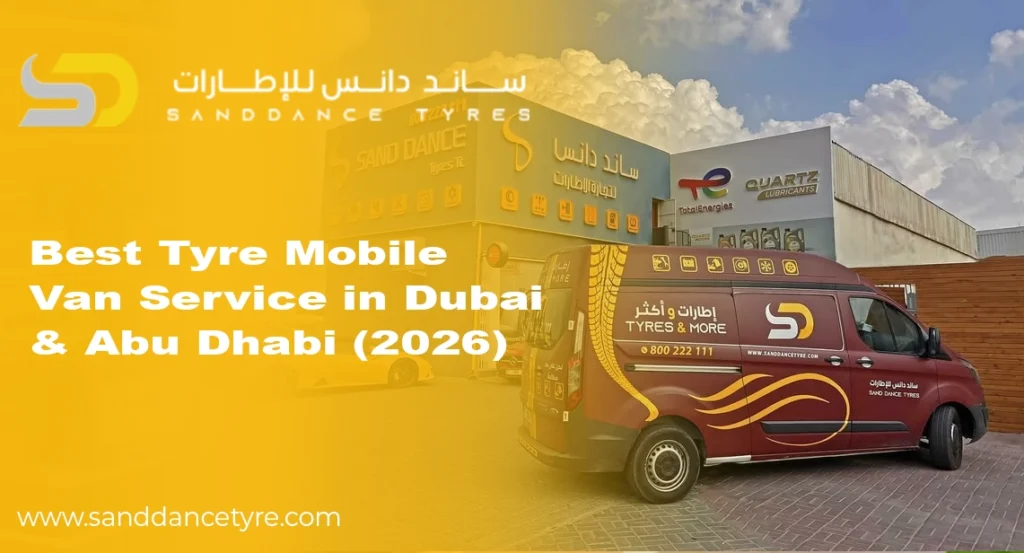
A flat tyre never picks a convenient moment. It could happen on Sheikh Zayed Road in the evening rush, in a mall basement with no signal, or outside your office on a day full of meetings. Waiting an hour for a tow truck, or limping to a workshop on a flat and damaging the rim, is a hassle nobody needs. That is why a tyre mobile van service has become such a popular option across the UAE. Instead of you going to the workshop, a fully equipped van comes to you. This guide explains how these services work, when a puncture is worth repairing, and how to choose a reliable provider in Dubai and Abu Dhabi in 2026. What Is a Tyre Mobile Van Service? A tyre mobile van service sends a technician to your location in a van carrying a tyre changer, wheel balancer, compressor, plug and patch kits and a stock of common tyre sizes. The work can be done at your home, office car park, hotel forecourt or even the hard shoulder. Typical services include: A good van does nearly everything a fixed workshop does. The main exception is wheel alignment, which needs a proper bay. Why Dubai and Abu Dhabi Drivers Need Mobile Tyre Services UAE conditions are hard on tyres, and a mobile service suits them well. 1. Extreme Heat Summer road surfaces are far hotter than the 45°C on your weather app. Heat raises tyre pressure and wears rubber faster, so a slightly soft or ageing tyre can fail on a drive it would have survived in a cooler climate. 2. High-Speed Highway Driving The run between Dubai and Abu Dhabi is typically done at 120 to 130 km/h. At that speed a small leak can turn into a blowout quickly. 3. Construction Debris Both emirates are constantly building. Roads near construction sites are littered with nails, screws and offcuts, which are among the most common causes of punctures. 4. Desert Driving Drivers let air out for the dunes and need a compressor on the way home. A van that can meet you at the edge of the sand is a real convenience. 5. Busy Schedules Few people want to spend two hours in a workshop waiting room. A mobile service turns a long errand into a short wait at your own location. Key Benefits of Choosing a Tyre Mobile Van Service Convenience You stay where you are. Whether you are at home in Dubai Marina or in an office on Al Maryah Island, the work happens next to your car and your day carries on. Fast Response A van already working in your district can reach you quickly. Once the technician arrives, a tread puncture is usually fixed in 20 to 30 minutes. Safety Even a few kilometres on a flat tyre can shred the sidewall, mark the rim and affect braking and handling. Stopping and waiting for help costs far less than the damage. Time and Cost Savings When you add up the tow, the fuel and the hours in a waiting room, a tyre mobile van service often works out cheaper than it first appears. Workshop-Quality Equipment A decent van carries a computerised balancer and a proper tyre changer, so the quality of work matches a fixed workshop. Flexible Hours Many operators work nights, weekends and public holidays, which is exactly when punctures tend to happen. What to Look for in the Best Tyre Mobile Van Service (2026 Checklist) Not every provider offers the same standard. Use this checklist before you call. 1. True 24/7 Availability Plenty of companies claim round-the-clock service. Try calling at 2 am once and see who answers. 2. Coverage for Your Actual Area Ask about your specific location, not just “Dubai.” Some vans do not travel to Al Ain or Ras Al Khaimah, and others add a surcharge beyond a certain distance. 3. Upfront Quote and ETA You should receive a price and an arrival time before the van leaves. If the price changes on arrival without explanation, choose another provider next time. 4. Fresh, Quality Tyres with Warranty Ask which brands they carry in your size and check the four-digit DOT code on the sidewall before the tyre is fitted. The first two digits are the week and the last two are the year. A “new” tyre that has sat in a warehouse for four years is not really new. 5. Balancing Included Fitting without balancing leaves you with a steering wheel that shakes at around 110 km/h. Confirm it is part of the price. 6. Experienced Technicians Poor fitting causes vibration, uneven wear and slow leaks. A good technician will also tell you honestly whether a tyre can be repaired. 7. Range of Sizes and Vehicle Types Whether you drive a compact sedan, a luxury SUV or a 4×4, the van should be able to supply the right tyre or order it quickly. 8. Honest Reviews Read the one-star reviews first. They show what goes wrong and how the company responds. 9. Easy Booking WhatsApp is usually fastest, because you can send a photo of the tyre, your location pin and the tyre size in one message. How a Tyre Mobile Van Service Works: Step by Step To see how it works in practice, you can request a tyre mobile van service in a couple of minutes. Puncture Repair vs Tyre Replacement A tyre can usually be repaired properly when: Ask for a plug-patch combination fitted from the inside. A plug on its own is a weak fix, and the tyre must come off the rim for the proper repair. Replace the tyre when: If the technician advises against a repair, accept his judgement. He is the one who has to stand behind the job. How Much Does a Tyre Mobile Van Service Cost? There is no single price, because it depends on the tyre and the distance. A puncture repair costs a fraction of a new tyre, and the call-out fee is
Buy AMARON Car Batteries in Dubai at Best Prices

It is 45°C outside and you are running late. Your car will not start. If you live in the UAE, you probably know this feeling. You know someone who does. I know how frustrating it is when the car refuses to start in the heat. A weak battery is one of the common reasons for breakdowns across the city and the summer heat only makes things worse. That is why choosing the battery is not something to leave to chance. If you’re searching for AMARON car batteries in Dubai, you’re already on the right track. These batteries have earned a strong reputation among drivers for dependable starting power, solid build quality and steady performance in hot conditions. In this guide, we’ll walk you through why they suit Dubai roads, how to pick the right one for your car, what affects the price, and how to get the best value for your money. Why Dubai’s Climate Is So Tough on Car Batteries Most people think cold weather hurts batteries. Actually heat is the bigger problem. When it gets hot, the liquid inside the battery evaporates faster. The inside parts get damaged more quickly. In Dubai, summer temperatures often go above 45 degrees Celsius. A car left in the sun can have a space under the hood that’s even hotter than that. Now add trips, lots of stopping and going in traffic and using the air conditioning all the time. The battery has to work and the alternator doesn’t always have enough time to charge it completely. Over time this causes a lot of damage. A battery that could last four or five years in a place with weather tends to fail much faster here. That is why it makes sense to pick a battery that is made for situations instead of just taking the cheapest one. Spending a few dirhams today can help avoid a dead battery, a tow truck and a bad day later. Why Choose AMARON Car Batteries in Dubai? Drivers across the UAE keep coming to this brand and there are good reasons for it. Here is what makes it a smart pick: In terms you are paying for peace of mind. When you depend on your car for work, school runs or weekend trips to the desert, that peace of mind is worth a lot. Signs It’s Time for Car Battery Replacement in Dubai Batteries rarely die without warning. They usually give you hints first. If you notice any of the following, it may be time to think about car battery replacement in Dubai before you get stranded: Don’t wait for the “click, click, nothing” moment. A quick battery test is usually fast and can tell you exactly how much life is left. How to Choose the Right Battery for Your Car Not every battery fits every car, and buying the wrong one can lead to poor performance or even damage. Keep these points in mind before you buy: Check the size and fitment Batteries come in different dimensions and terminal layouts. The new one must fit your battery tray properly and connect to the cables without strain. Your owner’s manual or the label on your current battery will give you the right size code. Match the capacity (Ah) and cold cranking amps (CCA) Capacity tells you how much energy the battery can store, while CCA shows how much power it can deliver to start the engine. Larger engines and cars with lots of electronics, like big infotainment screens, heated seats and advanced safety systems, need a stronger battery. Going lower than the manufacturer’s recommendation is never a good idea. Know your vehicle type Petrol, diesel and start-stop vehicles often have different battery needs. Cars with start-stop technology, for instance, usually need an advanced battery designed for frequent restarts. If you’re not sure, ask an expert instead of guessing. Look at the manufacturing date A battery sitting on a shelf for a year has already lost some of its life. Always ask about the manufacturing date and choose a fresh one. Ask about warranty A good warranty shows confidence in the product. Always confirm the warranty terms, what they cover and how claims work before you pay. How to Get the Best Car Battery Price in Dubai Everyone wants a fair deal, but the cheapest tag doesn’t always mean the best value. Here’s how to shop smartly and find the best car battery price in Dubai: Remember, a battery is not an item you want to experiment with. Spending wisely once is better than paying twice. Why Buy from a Trusted Car Battery Shop in Dubai? With so many options around the city, it’s tempting to go with whoever is closest or cheapest. But where you buy matters just as much as what you buy. A dependable car battery shop in Dubai offers a lot more than just a product on a shelf. Genuine products. Counterfeit and old-stock batteries do exist in the market. A reputable seller sources directly and keeps stock fresh. Honest advice. A knowledgeable team will tell you what your car really needs, not just push the most expensive option. Proper testing. Sometimes the battery isn’t the problem at all. It could be the alternator or a loose connection. A good shop checks first, so you don’t replace something that works. Safe installation and disposal. Old batteries contain hazardous materials and must be disposed of responsibly. Professionals take care of this for you. After-sales support. If you have a question or an issue down the road, it helps to know exactly who to call. These things might seem small, but they make the whole experience smoother, especially when you’re dealing with a car that won’t start and you need it sorted fast. Buying Online vs. Visiting in Person These days, many drivers prefer the convenience of browsing from their phone. If you’d like to buy a car battery online in Dubai, you can compare options, check the details and place an order without
How to Choose the Best Tyres for Cars in the UAE
Ask ten drivers in Dubai or Abu Dhabi how they chose their set of tyres and you will hear ten different answers. “It was the cheapest.” “The fitter recommended it.” “I just liked the look.” Fair enough. Tyres are the only part of your car that actually touches the road and in a country where asphalt can feel like a hotplate in July, that small patch of rubber deserves more thought than it usually gets. So if you’re trying to work out the best tyres for cars for UAE roads, this guide is for you. No confusing jargon and no sales pitch. Just a clear, practical walk-through of what to check before you spend a single dirham. Why the Best Tyres for Cars in the UAE Are Different A tyre that works well in cool, damp Europe might not do well here. Our roads bring their set of challenges and it’s important to understand what they are. Extreme heat is the issue. In summer, road surfaces often go above 60°C. That heat makes the tyre tread softer, increases the air pressure inside and causes the tyre to age faster. Combine that with fast trips on highways and the tyre can overheat if it’s not made for such conditions. Then there’s dust and sand. These particles slowly wear down the tread even if you don’t notice it happening. Sometimes you find yourself on a weekend trip in the desert, where you need a strong grip on loose ground. Don’t forget the sudden heavy rain we get. When the first drops fall on a road, the surface becomes slippery in a flash. If your tyres don’t have wet grip, you’ll feel it. And not in a good way. The takeaway? The best tyres for cars in this climate aren’t always the most expensive ones. They’re the ones designed for heat, speed and variety. Step 1: Start With the Right Tyre Size Before you think about types or prices, get the size right. It’s printed on the sidewall of your current tyres and looks something like 225/45 R17 94W. In plain English: You’ll also find the recommended size in your owner’s manual or on a sticker inside the driver’s door. Stick to it. The wrong size can throw off your speedometer, change how the car handles and even rub against the bodywork. If you fancy a different size for style, talk to a qualified fitter first. Step 2: Choose the Right Type of Tyre Not every tyre is built for the same job. Here’s how the main categories stack up for UAE drivers: Winter tyres? You can skip those entirely. We simply don’t need them here. A simple rule works well: match the tyre to how you really drive, not how you imagine you’ll drive. If 95% of your kilometres are commutes along Sheikh Zayed Road, you probably don’t need aggressive off-road rubber. And when you compare car tyres in UAE, always confirm the tyre is suited to high temperatures. Step 3: Understand Speed Rating and Load Index Those last characters in the size code are not decoration. The load index tells you how much weight each tyre can safely carry, while the speed rating shows the top speed the tyre is designed to sustain. An H rating covers up to 210 km/h for example. A W rating goes up to 270 km/h. With our highway speeds and summer heat, never drops below the speed rating recommended for your vehicle. Think about the load index too. If you regularly carry a family, luggage or equipment a suitable load index gives you a valuable safety margin. Step 4: Always Check the Manufacture Date Here is the input from the user: Here is a tip that surprises a lot of people who are buying tyres: tyres get older even when they are not being used. Heat and sunlight cause the rubber to become hard and start cracking over time, which is very important to consider if you live in a place. Check the DOT code on the side of the tyre. The last four numbers tell you when the tyre was made. For example, “3625” means week 36 of the year 2025. You should try to get tyres that were made in the year or so. Also, if the tyres that are currently on your car are then five or six years old you should have them checked even if the tread still looks fine. Step 5: Look Beyond the Tread Deep tread is great, but design matters just as much. Pay attention to three things: Many tyres carry an EU-style label that rates wet grip, fuel efficiency and noise. It’s a handy shortcut when you’re comparing options side by side. Step 6: Balance Price With Real Value It’s easy to go for the set and just move on. Tyres are not just a cost. They are a safety investment. Think about it—buying a tyre that wears out fast might end up costing you more in the long run than a better quality tyre that lasts longer. Don’t forget about braking. A few extra metres in stopping distance can make a huge difference. It could mean the difference between a miss and a serious accident. When you’re looking for tyres, don’t just focus on the price. Look at the picture. Compare the price per tyre check the warranty, and see what’s included for fitting, balancing and alignment. Ask questions. Find out what you’re getting. Be careful of offers that sound too good to be true—they usually are. The best tyres for your car give you safety, good mileage and fair pricing all together. They aren’t about having the lowest price tag. It’s about value over time. Choose wisely. Your safety depends on it. Where to Buy: Online or From a Local Shop? Both routes work well if you choose carefully. When you buy tyres online, you can compare sizes, types and prices at your own pace, often with fitting arranged for you. A good
What to Expect from a Professional Tyre Fitting Service
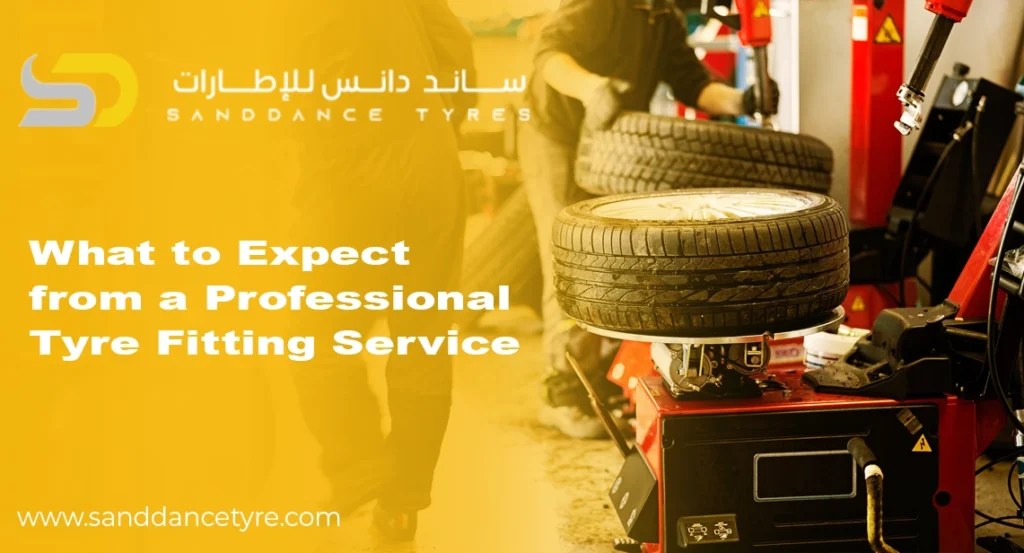
Your tyres are the part of your car that touches the road so how they are put on is just as important as which tires you choose to buy. A professional tyre fitting service goes far beyond swapping rubber on a wheel. The process begins with a careful inspection and continues with the use of precise equipment. Safety checks protect you, your passengers and your car. Whether you are booking a service for the first time or simply want to understand what you are paying for, this guide explains the process. Why Professional Tyre Fitting Matters Professional Tyre Fitting can save you from problems. You might be tempted to save money and go for a cheap job, but not putting a tyre on correctly can cause big problems. A tyre that isn’t placed properly on the wheel can lose air, shake when you drive or wear out unevenly after a few thousand miles. If the wheel bolts are too tight or too loose, they can hurt the threads. In this situation, a wheel could come off while you are driving. Professional workers use tools, have experience and follow good methods. This means control, longer tyre life, better gas mileage and most importantly, a safer ride. Step-by-step: What Happens During a Professional Tyre Fitting Initial Inspection and Consultation A good service begins with a chat. The worker checks your tyres for damage, cracks, bulges and uneven tread, and makes sure the size, weight limit and speed limit your car needs are correct. They also ask about how you drive, like if you go to work, drive on highways or go off-road, so the suggestion works for you. Choosing the Right Tyres Once your needs are clear, the worker explains the choices. Cheap, medium and high-end tyres each have levels of grip, comfort, noise and how long they last. Ask about all‑weather choices too. A reputable professional will give advice rather than push the most expensive option. Safe. Wheel Removal Your vehicle is raised with a lift or jack at the correct lifting points. Wheel nuts are removed Removed in a controlled sequence. This protects the suspension, the bodywork and the wheel itself. It stops damage that rushed handling can cause. Removing the Old Tyre The wheel is placed on a tyre‑changing machine, which breaks the seal between the tyre and the rim and lifts the tyre off without scratching or bending the wheel. Alloy wheels especially need careful handling, so modern machines with protective guards are important. Rim Inspection and Cleaning Before a new tyre goes on, the rim, it is. Checked for corrosion, dents or buckling. A damaged or dirty rim can cause air leaks. The valve is usually. Serviced at this stage because a worn valve is a common source of pressure loss. Fitting the New Tyre The technician applies tyre lubricant to the bead, then mounts the new tyre onto the rim. The tyre is inflated until the bead sits firmly against the rim edge. If your tyres are directional or asymmetric, they are positioned correctly so they perform as designed. Wheel Balancing No tyre and wheel combination is perfectly even, so each assembly is spun on a balancing machine to find spots. Small weights are then added to correct them. Proper balancing stops steering wheel vibration, uneven wear and unnecessary strain on suspension parts. Many professionals also offer wheel alignment, which is worth considering if your car pulls to one side. Refitting, Torque Check and Pressure Setting The wheels go back on the vehicle. The nuts are tightened to the manufacturer’s torque setting using a torque wrench. Tyre pressure is then set to the recommended level and any tyre pressure monitoring system is reset. Many fitters suggest rechecking the nuts after 50 miles or so for extra peace of mind. How Long Does a Professional Tyre Fitting Take? For a car, replacing four tyres usually takes between 45 minutes and an hour. A single tyre can take as little as 20 to 30 minutes. Adding alignment, repairs or specialist wheels can extend the visit. Booking an appointment is the way to avoid long waits and ensure the right tyres are in stock. Mobile Tyre Fitting vs Garage Tyre Fitting Both options can give results,lts so the right choice depends on your schedule and vehicle. A garage‑based service has equipment, a clean workspace and the full range of machines for balancing and alignment. It is usually the pick for specialist wheels, run‑flat tyres or complicated repairs. Mobile tyre fitting brings an equipped van to your home or workplace, which saves time and is ideal for emergencies such as a puncture in the car park. Ask whether the mobile team carries a balancing machine and a torque wrench because a roadside job should meet the standard of a workshop one. What Affects the Cost of Tyre Fitting? Prices vary between providers. These factors usually influence the final bill: • Tyre size and type: wheels run‑flat tyres and thin tyres need more time and care. • Quality of the tyres: High‑end brands cost more at first. Often last longer. • Additional services: Balancing, valve replacement, straightening and dumping of tyres may be included or charged separately. • Vehicle type: SUVs, vans and performance cars may need equipment. •. Convenience: Mobile services that come to your home or office can cost more. Always ask for an itemised quote before work starts so there are no surprises. Signs You Need New Tyres Do not wait for a breakdown to book an appointment. Watch for these warning signs: • Tread depth near the legal limit or at the wear indicators • Cracks, cuts or bulges on the sidewall • Constant shaking or pulling to one side • Frequent loss of pressure • Tyres older than six years, even if the tread looks fine Catching these early makes tyre fitting a planned job rather than an emergency. Tips for Getting the Best Result • Check reviews and qualifications. Look for trained technicians and
Professional Tyre Fitting: A Step-by-Step Guide
You walk out to your car. You notice the tread looks a little thin and you think, “I will deal with it month.” We have all been there. Tyres are the part of your vehicle that actually touches the road. When tyres are worn badly fitted or poorly balanced everything, from braking to fuel economy takes a hit. That’s why proper tyre fitting is more than just swapping rubber on a rim. It’s a step-, by-step process that keeps you safe and helps your new tyres last longer. In this guide we’ll walk through exactly what happens during a job so you know what to expect and what a good one looks like. Why Professional Tyre Fitting Matters It’s tempting to think anyone with a jack and a wrench can handle it. And sure, in a pinch, you can change a flat on the roadside. But a full professional fitting uses specialised machines, calibrated tools, and trained eyes that catch problems you’d likely miss. A poorly fitted tyre can cause vibration, uneven wear, slow air leaks, and, in the worst cases, a blowout at speed. Doing it properly reduces those risks, protects your wheels from scratches and dents, and makes sure the tyre sits exactly the way the manufacturer intended. Step 1: Inspection and Check-In Before any tools come out, a good technician looks over your vehicle and your current tyres. They’ll check tread depth, sidewall damage, bulges, and signs of uneven wear. That uneven wear is often a clue, sometimes pointing to alignment or suspension trouble. They’ll also confirm that the new tyre’s size, load rating, and speed rating match what your car needs. This information is printed on the sidewall in a format like 205/55 R16. Skipping this check is how people end up with the wrong tyres, so those few minutes are well spent. Step 2: Lifting the Car and Removing the Wheel Next, the vehicle is raised on a lift or jack at the correct lifting points. The technician loosens the wheel nuts first, often while the wheel is still touching the ground so it doesn’t spin, and then removes the wheel. If your car has locking wheel nuts, keep the key handy. The nuts are set aside carefully so none go missing. It sounds basic, but doing it right avoids damaged threads and warped brake discs. Step 3: Deflating and Dismounting the Old Tyre The valve core is removed so the tyre deflates fully. Then the wheel goes onto a tyre changing machine. A bead breaker loosens the edge of the tyre from the rim, and a mounting arm lifts the old tyre off. Good technicians use protective guards and the right lubricant here, so your alloy wheels don’t get scuffed. This is one of the spots where rushed jobs leave marks you’ll notice later. Step 4: Cleaning and Inspecting the Rim With the old tyre gone, the bare rim gets a close look. Dirt, corrosion, and old rubber residue are cleaned off the bead seat, because any buildup can cause slow air leaks. The technician also checks for cracks, bends, or dents. A damaged rim can’t seal properly, and it’s far better to find that out now than on the motorway. The old valve is usually replaced with a new one, or the pressure sensor is serviced if your car has one. Step 5: Mounting the New Tyre Now the fresh tyre goes on. The technician checks the direction arrows and any inside or outside markings on the sidewall, because some tyres are directional or asymmetric and only work properly when fitted the right way round. Bead lubricant is applied, and the tyre is worked onto the rim with the machine. Many fitters also line up the tyre’s lightest point, often marked with a small coloured dot, with the valve position. It’s a small detail that makes balancing easier later. Step 6: Inflating and Seating the Bead The tyre is inflated until the beads pop into place against the rim. You might hear two sharp pops, which is normal and means the tyre has seated correctly. The pressure is then set to the level recommended by your car’s manufacturer, usually listed in the owner’s manual or on a sticker inside the driver’s door. It’s not the maximum pressure printed on the tyre itself. The technician also checks for leaks, often with soapy water or a water bath. Step 7: Wheel Balancing This is the step that separates a basic job from a professional one. No tyre and wheel combination is perfectly even in weight, and even a few grams of difference can cause steering wheel shake at higher speeds. The wheel is spun on a balancing machine, which shows exactly where extra weight is needed, and small weights are attached to the rim. A balanced wheel means a smoother ride, less strain on suspension parts, and tyres that wear evenly. Step 8: Refitting the Wheel and Torquing the Nuts The wheel goes back on the car, and the nuts are tightened in a star pattern so the wheel sits flat against the hub. Then a torque wrench is used to tighten each nut to the manufacturer’s specification. Overtightening can stretch the studs and warp brake discs, while undertightening is obviously worse. Many workshops recommend re-checking the nuts after the first 50 to 100 kilometres, which is sensible advice worth following. Step 9: Final Checks Before You Drive Away Before handing back your keys, a good team double-checks all four tyre pressures, resets the pressure warning light if needed, and makes sure the valve caps are on. They might also suggest a wheel alignment check, especially if they noticed uneven wear earlier. When it’s genuinely needed, alignment isn’t an upsell. It protects your new investment. Signs It’s Time for New Tyres Not sure whether you need a replacement yet? Watch for these warning signs: Simple Habits That Make Tyres Last Longer A little care goes a long way once your new tyres are on:
How to Choose the Right Tyres for Your Car in the UAE
Your tyres take a beating here. Surface temperatures can pass 60°C in summer, highways run dead straight for kilometres, and when it does rain, the road goes slick almost instantly. So picking the right tyres for your car in the UAE isn’t about grabbing whatever’s cheapest on the rack. It takes a bit of thought. This guide covers what to check, roughly in the order it matters. What the UAE Does to Your Tyres Heat first, because it’s the big one. Warm air expands, so the pressure inside your tyres climbs the longer you drive, and the rubber gets softer and wears faster. Now picture an old tyre that’s a few PSI low. That’s the classic setup for a blowout. Then there’s speed. Hold 100 km/h or more on Sheikh Zayed Road or the E11 for an hour and a weak tyre just keeps heating up. Add sand and construction debris, which cause tiny cuts you won’t spot until the tyre goes flat, plus the odd downpour that turns weeks of oil and dust into a greasy film. That’s a lot to ask of rubber. The right tyres for your car in the UAE have to cope with all of it, not just one or two. Start With the Size Size first, because everything else depends on it. Look at the sidewall of the tyre you have now and you’ll see something like 225/55 R17 97W. Here’s the decode: 225 is the width in millimetres, 55 is the sidewall height as a percentage of that width, R means radial, 17 is the wheel size in inches, and 97W is the load index and speed rating. Your owner’s manual and the sticker inside the driver’s door list the size your car’s maker wants. Stick to it. A different size can mess with handling, braking and the speedometer, so only change it if a specialist explains why. Load Index and Speed Rating About that 97W. The 97 is how much weight each tyre can carry, and the W is the speed rating. The letters climb as you go up: H means 210 km/h, V is 240, W is 270. You won’t be doing 270 on the road, obviously. The point is not to drop below what your car’s manufacturer asks for. Load the car with the family and a full boot, add a summer afternoon on the highway, and a lower-rated tyre has a lot less margin. Check the Tyre’s Age Here’s one most people miss: tyres have a birthday. Even sitting unused in a warehouse they age, and heat speeds it up. Flip to the sidewall and find the DOT code. The last four digits are the week and year it was made, so 2325 means week 23 of 2025. Aim for tyres made within the last year, be wary of anything over two, and don’t be surprised if a specialist suggests replacing yours at around five years even when the tread looks fine. Match the Tyre to Your Car Picking the right tyres for your car in the UAE depends on what you drive and where you drive it. A rough guide: Winter tyres? Skip them, there’s no winter here. Go for summer tyres, or an all-season set built for warm climates. Heat and Wet-Grip Ratings Check the UTQG ratings if they’re printed on the sidewall. Temperature runs A, B, C, and A handles heat best, so take that. Traction is AA, A, B or C, and AA or A means better wet braking. Treadwear is just a number: higher usually means longer life, but only compare it within one manufacturer’s range. Then look at the tread itself. Deep grooves and thin slits push water out from under the tyre, which is what keeps aquaplaning at bay. If there’s an EU label, it gives you wet grip and fuel efficiency grades too. Budget: Think Cost per Kilometre Tyres sit in roughly three tiers. Premium usually wins on heat resistance, braking and mileage. Mid-range gives you solid everyday performance for less. Budget costs least upfront, but wet grip, noise and lifespan tend to suffer. Steer clear of makers who publish no performance data at all. Don’t compare sticker prices only. When you shop for the right tyres for your car in the UAE, divide the price by the kilometres you expect to get. A set that lasts 50,000 km can beat a cheaper one that’s finished at 25,000. And ask what the warranty and road-hazard cover include. Skip Used Tyres Used tyres? No. You can’t see internal damage or bad repairs, you rarely know the real age, and UAE heat makes those hidden flaws more dangerous. Buy new, from someone you trust. Pick the Fitter Carefully A decent shop will balance the wheels, fit new valves, check alignment, torque the wheel nuts properly and hand over an invoice with the warranty on it. If you can, replace all four tyres at once. Only doing two? Put the new pair on the rear axle. The car stays steadier in the wet that way. Looking After Them in Summer Once they’re on, look after them. When to Replace Them The commonly cited legal minimum tread depth is 1.6 mm. Plenty of experts say change at around 3 mm, since wet braking drops off as the tread wears. Don’t wait if you see cracks in the sidewall or tread, a bulge, or a vibration that won’t go away, and treat anything past five years as due. Worn tyres are unsafe, and they can mean fines and black points as well. Frequently Asked Questions What’s the best tyre for UAE summers? A heat-resistant one from a reputable maker, with an A temperature grade, in the exact size and speed rating your car needs. That’s the quickest way to the right tyres for your car in the UAE. How often should I change tyres? Most drivers land somewhere between three and five years. Mileage, driving style and parking all play a part. Can I mix