
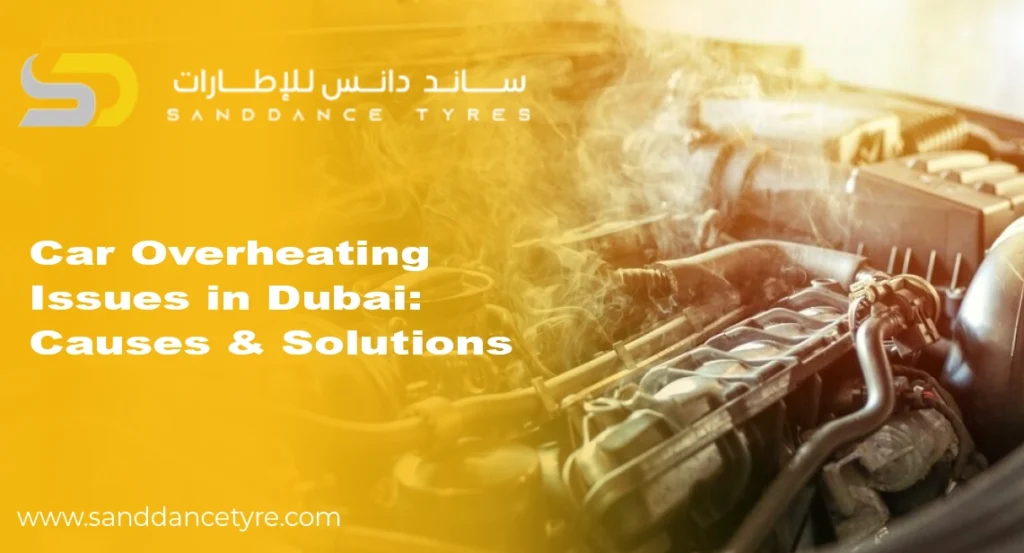
If you’ve ever been stuck in traffic on Sheikh Zayed Road in July, watching your temperature gauge creep toward the red zone, you already know how real car overheating issues in Dubai can get. The heat here isn’t just uncomfortable for you — it puts serious stress on your vehicle every single day.
Dubai’s climate is one of the harshest for cars anywhere in the world. Summer temperatures regularly climb above 45°C, and when you factor in sun-baked asphalt, stop-and-go traffic, and engines that were sometimes designed for milder climates, overheating becomes less of a “what if” and more of a “when.”
This guide walks you through exactly why cars overheat in Dubai, what the warning signs look like, and — most importantly — what you can do about it before you’re stranded on the side of the road.
Why Dubai’s Climate Is So Hard on Your Engine
Before diving into causes and fixes, it’s worth understanding the environment your car is dealing with.
Dubai’s summer months, roughly May through September, combine extreme ambient air temperatures with intense solar radiation. Your car’s bonnet can reach surface temperatures of 70°C or higher when parked in direct sunlight. The moment you start driving, the engine adds its own heat on top of that.
The cooling system’s job is to keep the engine at a stable operating temperature — typically between 90°C and 105°C. In a normal climate, that’s manageable. In Dubai, the system is working at its absolute limit from the moment you turn the key.
Common Causes of Car Overheating in Dubai
Low or Depleted Coolant Levels
This is the number one culprit. Coolant (also called antifreeze) absorbs heat from the engine and releases it through the radiator. If the coolant level drops — whether from a leak, evaporation, or simply not being topped up — the system can’t do its job.
In Dubai’s heat, small coolant issues that might go unnoticed in cooler climates become major problems quickly. Check your coolant reservoir at least once a month. If you’re topping it up frequently, that’s a sign of a leak that needs professional attention.
Radiator Problems
Your radiator is the heart of the cooling system. Over time, it can develop blockages from mineral deposits or corrosion, especially if old or incorrect coolant has been used. A clogged radiator simply can’t transfer heat efficiently.
Physical damage is also common here — road debris and the occasional parking mishap can bend or crack radiator fins. Even partially damaged fins reduce the radiator’s ability to dissipate heat.
A Failing Water Pump
The water pump circulates coolant through the engine and radiator. When it starts to fail — through a worn impeller, a cracked housing, or a leaking seal — coolant flow slows down or stops. This is one of those components that quietly fails before showing obvious symptoms, which makes regular inspection important.
Thermostat Malfunction
The thermostat regulates when coolant flows to the radiator. If it gets stuck in the closed position (which does happen, especially in older vehicles), coolant never reaches the radiator even when the engine is dangerously hot.
If your temperature gauge spikes quickly and doesn’t stabilize, a stuck thermostat is high on the list of suspects.
Broken or Slipping Cooling Fan
Most modern cars have an electric cooling fan that kicks in when the engine reaches a certain temperature or when the air conditioning is running. If this fan fails or its relay stops working, the engine can overheat — particularly at low speeds or while idling in traffic.
In Dubai, where air conditioning runs almost constantly, a failed cooling fan is a particularly serious problem. The AC condenser and the radiator share the same fan in many vehicles.
Air Conditioning Load
Speaking of AC — it adds significant load to your engine. The AC compressor draws power from the engine, and the condenser (which sits in front of the radiator) generates its own heat that must be dissipated.
In extreme heat, running your AC at maximum while sitting in traffic can push a marginally healthy cooling system past its limits. This doesn’t mean you should turn off your AC (that would be miserable and potentially dangerous), but it does mean your overall cooling system needs to be in excellent condition.
Worn or Damaged Hoses and Belts
Rubber cooling hoses degrade faster in heat. Cracks, soft spots, or bulging hoses can fail suddenly. Similarly, the serpentine belt that drives the water pump and alternator can crack or slip. A snapped belt means the water pump stops immediately, and overheating follows within minutes.
Inspect hoses and belts visually every few months. If they look dried out, cracked, or glazed, replace them before they leave you stranded.
Warning Signs You Shouldn’t Ignore
Temperature Gauge Rising
This sounds obvious, but many drivers ignore a gauge that creeps above normal. Don’t. Once the needle enters the red zone, you have very little time before serious engine damage occurs.
Steam or Smoke from the Bonnet
White steam rising from under the bonnet usually means coolant is boiling and escaping. Pull over safely and turn off the engine immediately. Do not open the radiator cap — the pressurized coolant can cause severe burns.
Sweet, Syrupy Smell Inside or Outside the Car
Coolant has a distinct sweet smell. If you notice it inside the cabin, it may mean a heater core leak. Outside the car, it usually points to a coolant leak somewhere in the engine bay.
Heater Blowing Cold Air
Counterintuitively, if your heater suddenly blows cold air on a warm setting, it could indicate low coolant. The heater core relies on hot coolant flow, so if coolant is low or not circulating, the heater loses its heat source.
What to Do If Your Car Starts Overheating
Step 1: Turn off the air conditioning immediately to reduce engine load.
Step 2: Turn the heater on full blast. It sounds crazy, but this actually transfers heat away from the engine through the heater core — it can buy you a few precious minutes.
Step 3: Pull over safely as soon as you can and turn off the engine.
Step 4: Wait at least 30 minutes before opening the bonnet. Never open the radiator cap on a hot engine.
Step 5: Once cool, check the coolant level. If it’s low and you have coolant or distilled water available, top it up. If you don’t know what’s wrong, call for roadside assistance rather than risking further damage.
How to Prevent Overheating in Dubai
Maintain Your Cooling System Regularly
This isn’t optional in Dubai — it’s essential. A full cooling system inspection should be part of your routine service schedule. Flush and replace coolant according to your vehicle manufacturer’s recommendation (typically every 2 years or 40,000 km, whichever comes first).
Keep Your AC System in Good Shape
Your air conditioning system and your cooling system are deeply connected. A refrigerant leak or failing AC compressor affects how hard the engine has to work. Getting a car ac repair service done annually before summer starts is one of the smartest maintenance decisions you can make in Dubai. A properly functioning AC reduces strain on the cooling system overall.
Don’t Ignore Small Leaks
A small drip of coolant today becomes a major breakdown tomorrow. If you notice any staining or puddles under your parked car, get it inspected. Small repairs are always cheaper than engine damage.
Choose the Right Tyres
This might not seem related to overheating, but it is. Tyres that are underinflated or poorly suited to Dubai’s road temperatures increase rolling resistance, which increases engine load. Keeping your tyres properly inflated and choosing tyres designed for hot climates makes a real difference.
You can buy tyre online dubai through reputable suppliers who stock tyres rated for high-temperature performance. For serious year-round performance in Dubai’s conditions, BFGoodrich Tyres are a well-regarded option — they’re built for heat and high-load driving, which suits Dubai roads well.
Park Smart
Whenever possible, park in shade or a covered car park. An engine bay that starts at 40°C (in the shade) is under far less thermal stress than one that starts at 70°C after sitting in the sun. Use a windshield sunshade — it genuinely helps keep interior and engine temperatures lower.
Avoid Extended Idling in Traffic
If you’re going to be stationary for a long time (construction zones, border crossings), be aware that idling is actually harder on your cooling system than steady highway driving — you lose the airflow through the grille that helps the radiator do its job. Watch your temperature gauge more closely during extended idling.
When to See a Professional
If your temperature gauge has entered the red zone — even once — don’t just top up the coolant and carry on. Have the system professionally inspected. Overheating can cause damage that isn’t immediately obvious: warped cylinder heads, blown head gaskets, and cracked engine blocks are all possible outcomes of a serious overheating event.
Dubai has no shortage of capable workshops, but make sure whoever you choose has experience with the specific heat-related issues common to this region. A mechanic who learned their trade in a temperate climate may not fully appreciate how aggressively Dubai’s heat affects cooling systems and related components.
Final Thoughts
Car overheating issues in Dubai are genuinely common, but they’re also largely preventable. The combination of extreme temperatures, heavy AC use, and stop-and-go traffic creates a perfect storm for cooling system failures — but a well-maintained car handles all of it without drama.
Stay on top of coolant levels, get your cooling system inspected seasonally, keep your AC in good working order, and pay attention to what your temperature gauge is telling you. These habits won’t just prevent overheating — they’ll extend the life of your engine significantly.
Dubai is a demanding place to own a car. Treat your vehicle accordingly, and it’ll reward you with reliable service through even the harshest summer months.
Frequently Asked Questions
Why do cars overheat more in Dubai than in other countries?
Dubai’s combination of extreme ambient temperatures (often above 45°C), intense solar radiation, heavy reliance on air conditioning, and congested traffic creates uniquely harsh conditions for cooling systems. Most vehicles are tested and calibrated in more moderate climates, so Dubai pushes them closer to their thermal limits on a daily basis.
How often should I check my coolant level in Dubai?
At a minimum, check it once a month. During the summer months (May–September), check it every two weeks. Also inspect it visually before any long trip outside the city. If you find yourself topping it up regularly, have the system checked for leaks.
Is it safe to drive with the temperature gauge above normal?
No. Once the gauge moves above the normal operating range, you should turn off the AC, turn on the heater, and pull over as soon as it’s safe to do so. Continuing to drive with an overheating engine can cause catastrophic and extremely expensive damage.
Can Dubai’s heat damage tyres and contribute to overheating indirectly?
Yes. Underinflated or heat-degraded tyres increase rolling resistance, which adds to engine load. This won’t cause overheating on its own, but combined with other cooling system issues, it contributes to the overall thermal burden. Choosing tyres rated for high-temperature environments and maintaining correct tyre pressure makes a measurable difference.
How much does it cost to fix an overheating issue in Dubai?
It depends heavily on the cause. Topping up coolant costs very little. Replacing a thermostat or water pump typically costs between AED 300–800 in parts and labour. A head gasket replacement — the result of a serious overheating event — can cost AED 3,000–8,000 or more. Prevention is significantly cheaper.
Does running the AC constantly in Dubai cause overheating?
The AC itself doesn’t cause overheating, but it adds load to the engine and heat to the condenser/radiator area. If your cooling system is already marginal, running the AC at maximum in extreme heat can be the factor that pushes it over the edge. A well-maintained cooling system handles AC load without issue.